
Introduction: When Your Nails Start Speaking Through Peeling
Some beauty concerns whisper before they shout — and peeling nails are one of them.
You may notice a tiny lift at the tip, a thin layer flaking away, or a rough edge that wasn’t there last week. When nails begin peeling, splitting, or thinning, it’s easy to feel frustrated or confused. But the truth is comforting: your nails are simply communicating a need — for moisture, nourishment, protection, or sometimes internal balance.
Nails peeling is incredibly common, and according to dermatology references, it can stem from dryness, trauma, environmental stressors, or an internal cause such as iron deficiency anemia, thyroid disease, or certain skin conditions. As says Dr. Dana Stern, a board certified dermatologist, weak or brittle nails often reflect deeper imbalances within the nail plate, nail beds, or surrounding cuticle.
This guide blends scientific clarity with NÜDE Nail Spa’s philosophy of quiet luxury — helping you understand why your nails start peeling, how to fix peeling nails gently, and how to protect your nails long-term through ritual, care, and elevated simplicity.
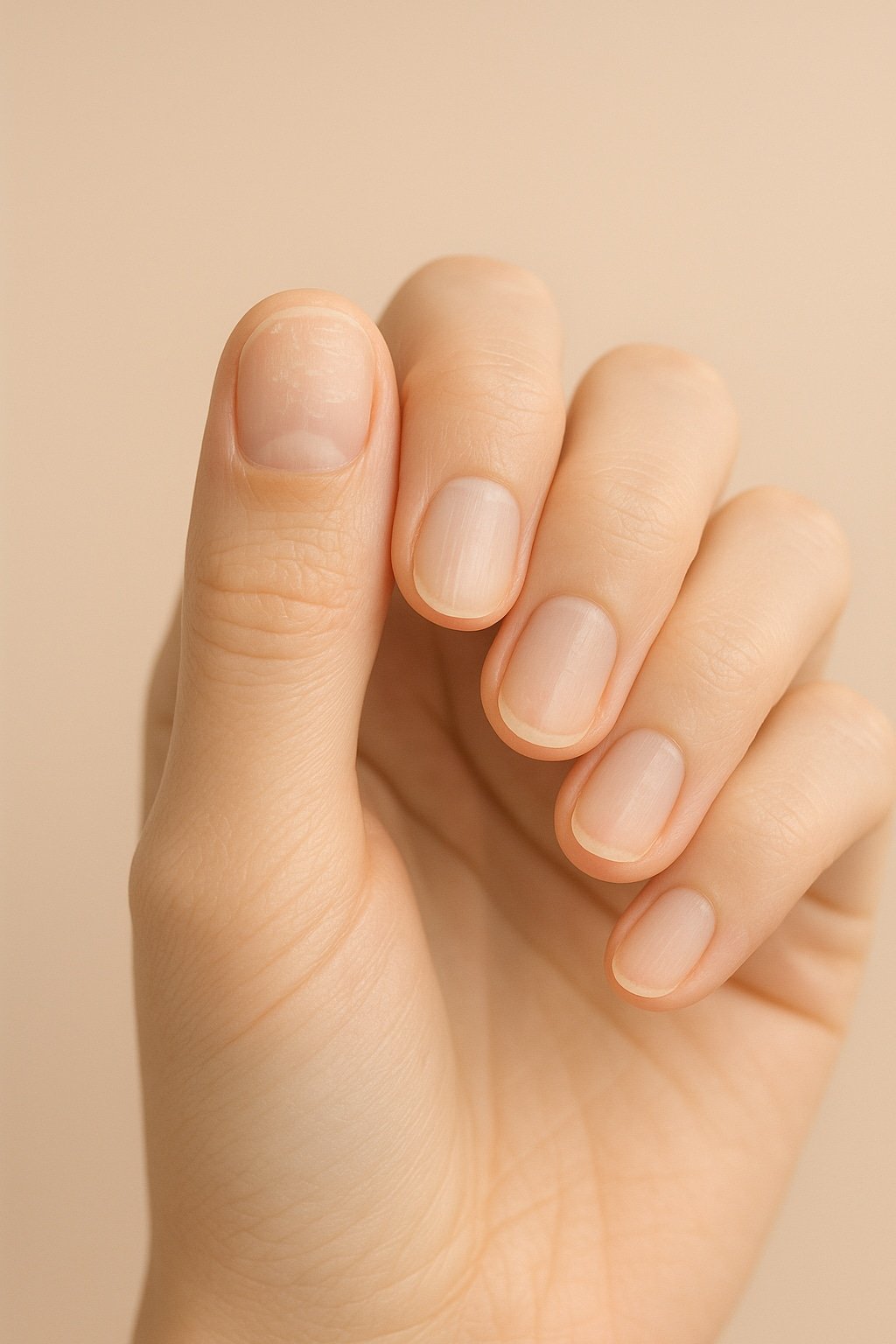
1. Why the Top Layers of the natural Nails Begin Peeling
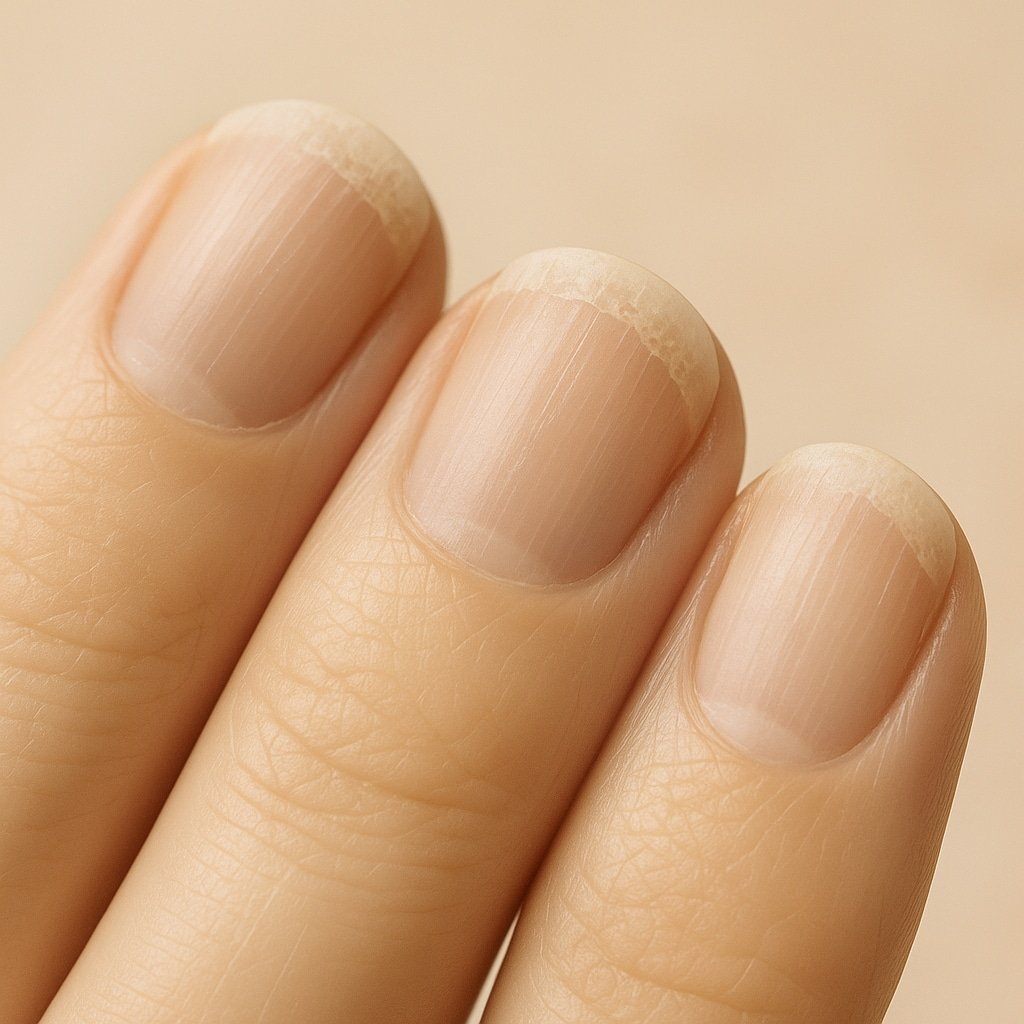
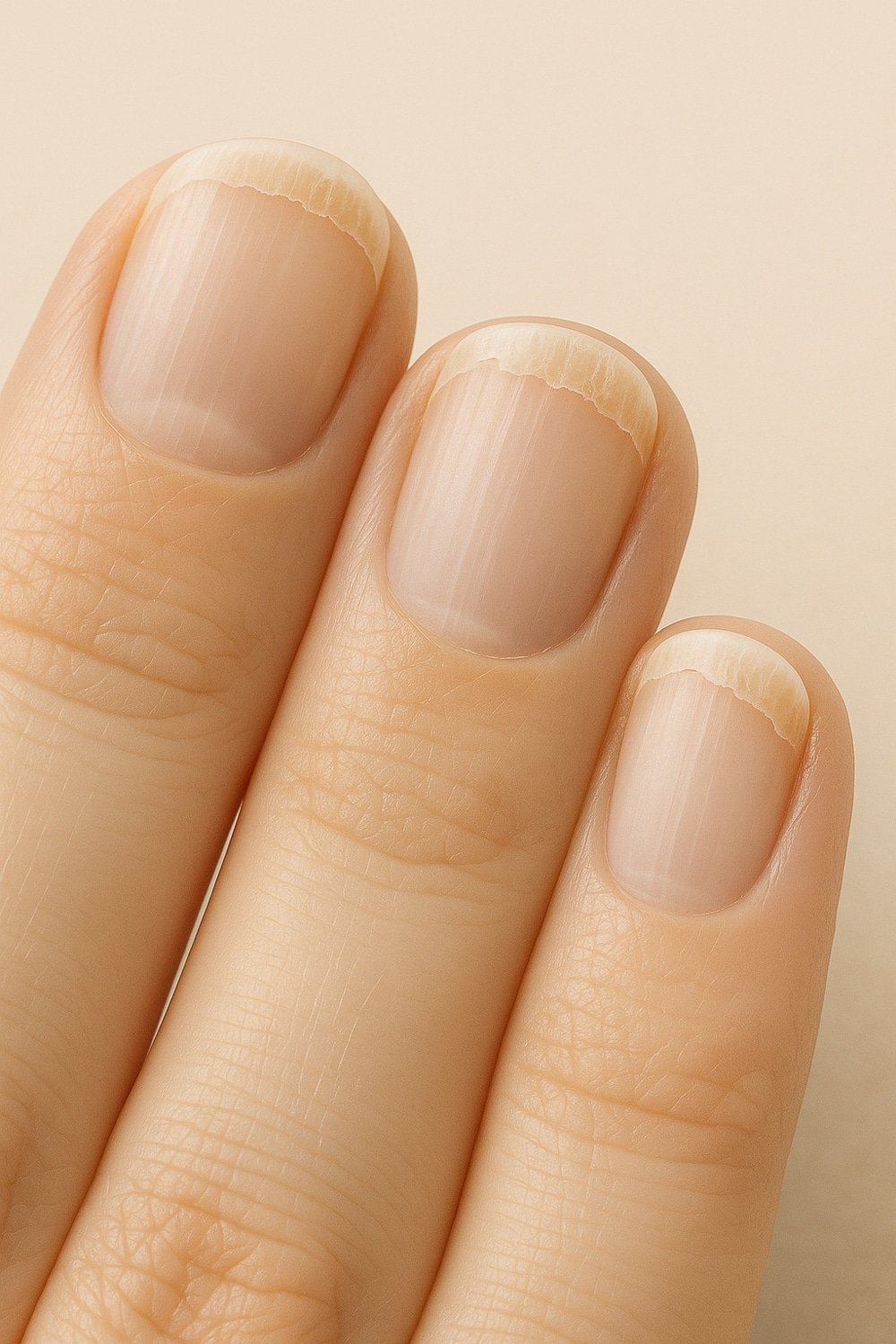
When the upper layer of the nail plate begins lifting, peeling, or flaking, it means the nails’ keratin bonds are weakening. The nail plate is composed of tightly packed layers; when these layers separate, the nails start peeling.
Common triggers include:
-
Dryness from weather, products, or natural aging
-
Too much moisture, which makes nails soft and swollen, then brittle once dry
-
Harsh chemicals from cleaning products or certain polish removers
-
Friction from over-filing or polishing
-
Trauma from acrylic nails or gel polish removal
-
Internal issues that affect nail growth or hydration
Peeling nails often show up when the protective barrier around the nail beds and the surrounding cuticle becomes compromised. This makes the nails more fragile and reactive to the environment.
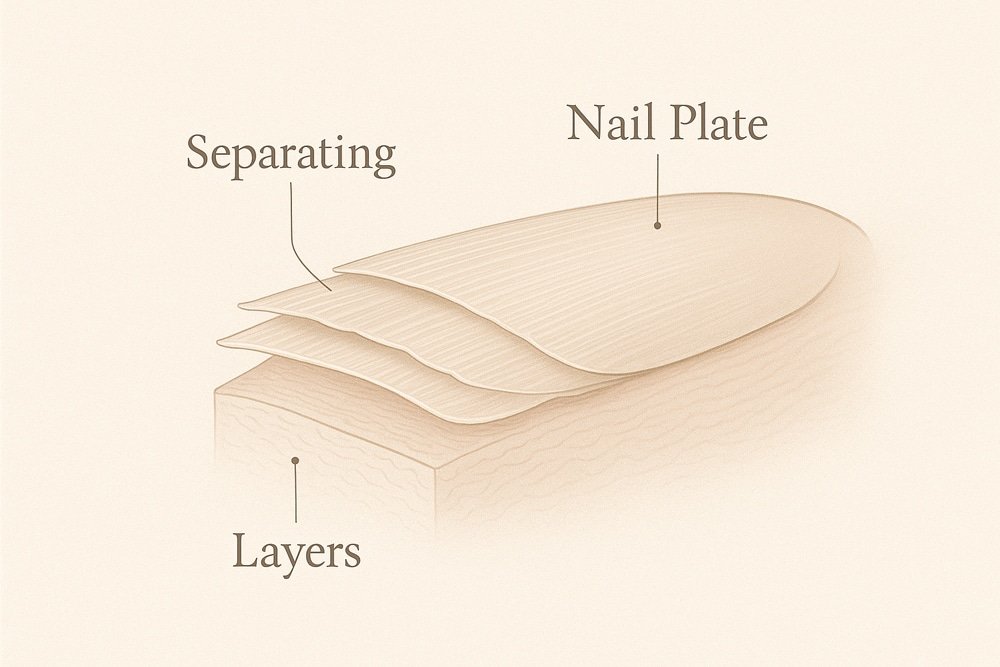
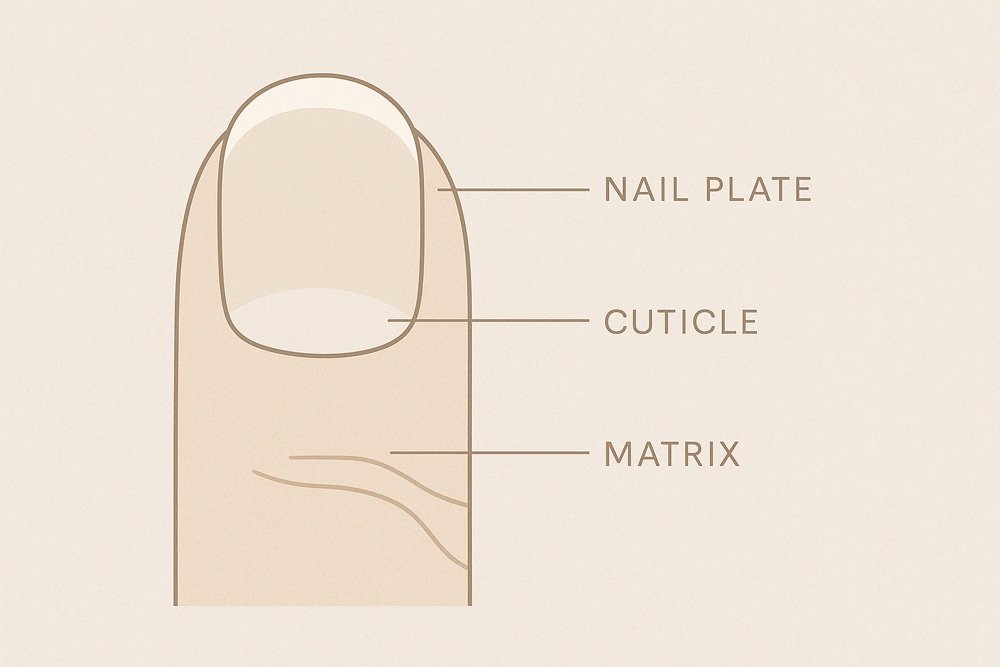
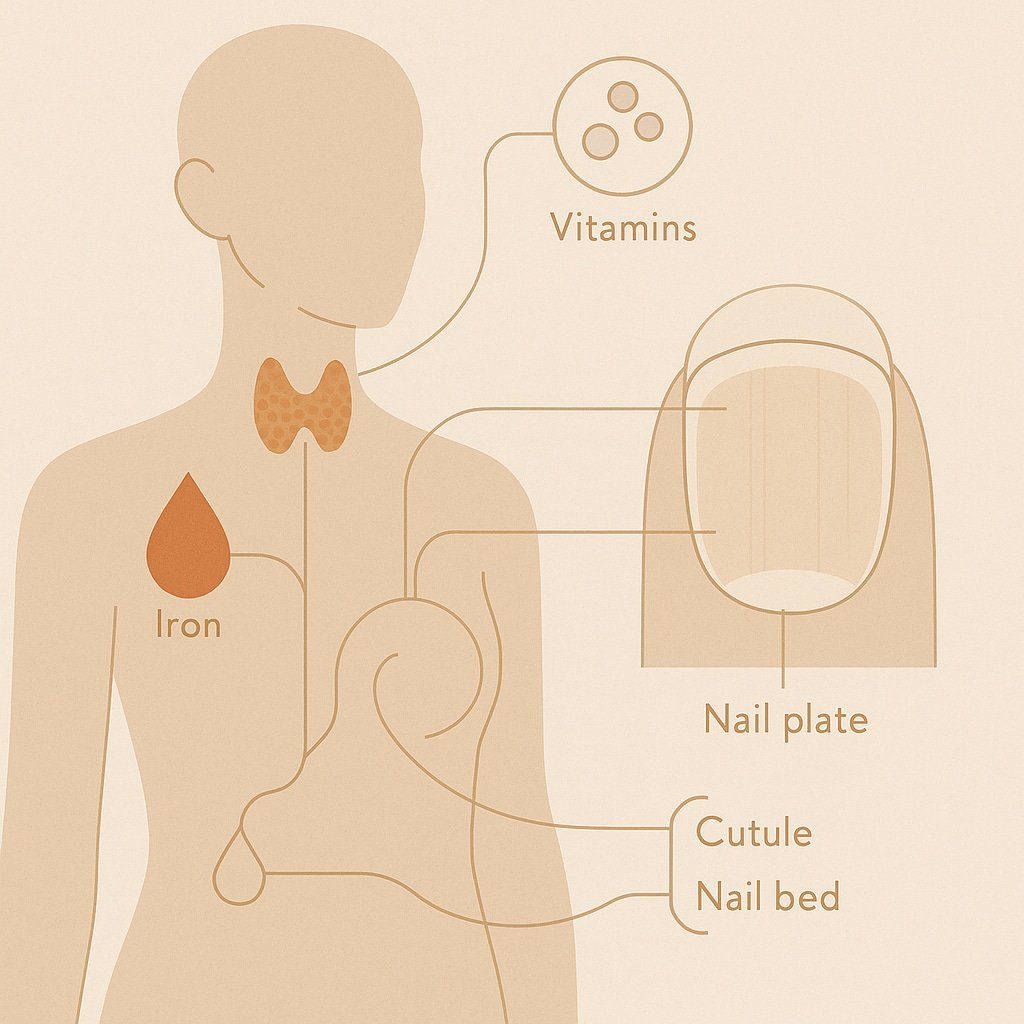
2. Understanding the Nail Plate, Nail Beds & Surrounding Cuticle
Your nails are far more sensitive than they appear.
-
The nail plate is made of keratin layers that need moisture and gentle care to remain flexible.
-
The nail bed houses delicate nerves and blood vessels that influence nail growth.
-
The surrounding cuticle acts as a natural protective seal, keeping bacteria and chemicals out.
-
The matrix (beneath the cuticle) produces new nail cells; any damage here affects nail growth significantly.
Your reference file explains this clearly: peeling happens when cell-to-cell adhesion in the nail plate is disrupted.
When cuticles are dry, trimmed too aggressively, or neglected, the nail plate becomes vulnerable. Healthy cuticles equal healthier nails — visibly and structurally.
3. The Most Common Causes of Peeling Nails (And How They Affect the Body)
Peeling nails can result from multiple factors working together. Below are the strongest contributors.
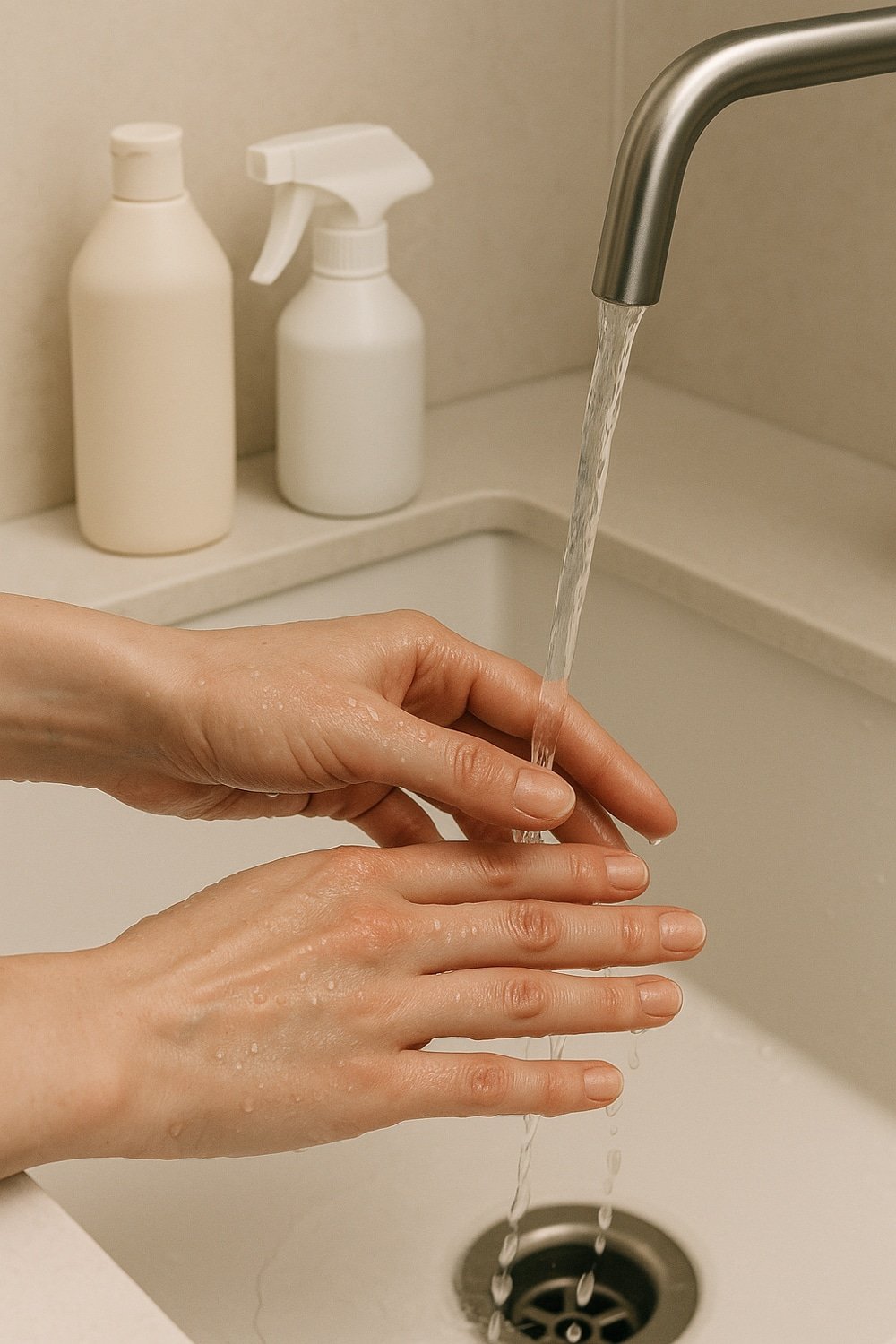
A. Dryness & Too Much Moisture
Both dryness and moisture overload can lead to peeling nails.
-
Dryness from winter air, hand sanitizers, or harsh soaps dehydrates the nail plate.
-
Too much moisture from cleaning, washing dishes, long baths, or repeated hand washing makes nails swell, then shrink — leading to cracks and peeling.
Your upload confirms: Too much moisture causes the nail to swell and become soft, leading to peeling.
This moisture imbalance is one of the top reasons nails begin peeling.
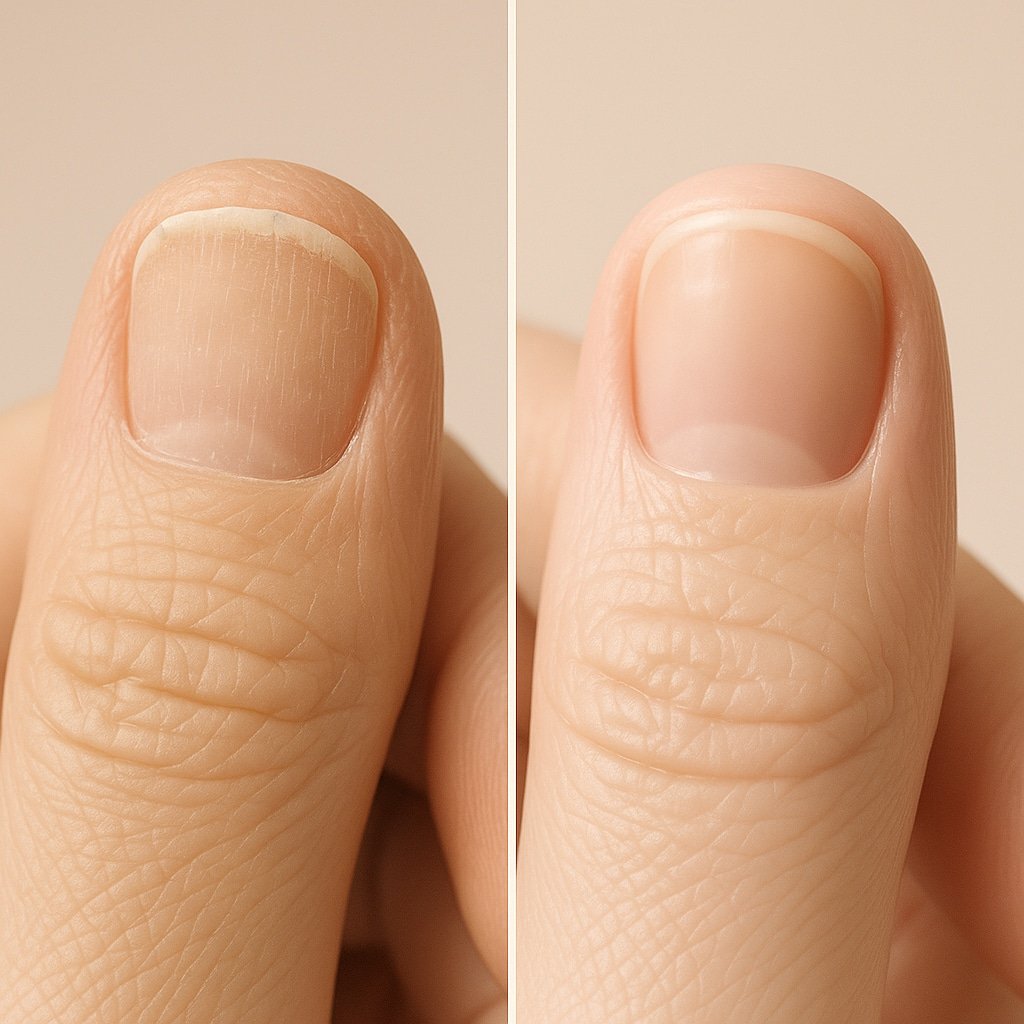
B. Harsh Chemicals & Nail Products
The beauty industry offers countless polish options, but many contain chemicals that strip moisture or weaken nails. Excessive use of:
-
acetone
-
drying removers
-
hand soap with sulfates
-
heavily fragranced lotions
-
sanitizers
…can cause peeling or splitting.
Acrylic nails and gel polish can also stress the nail plate if not applied or removed carefully. Over time, this can lead to brittleness or peeling nails as the top layer thins.
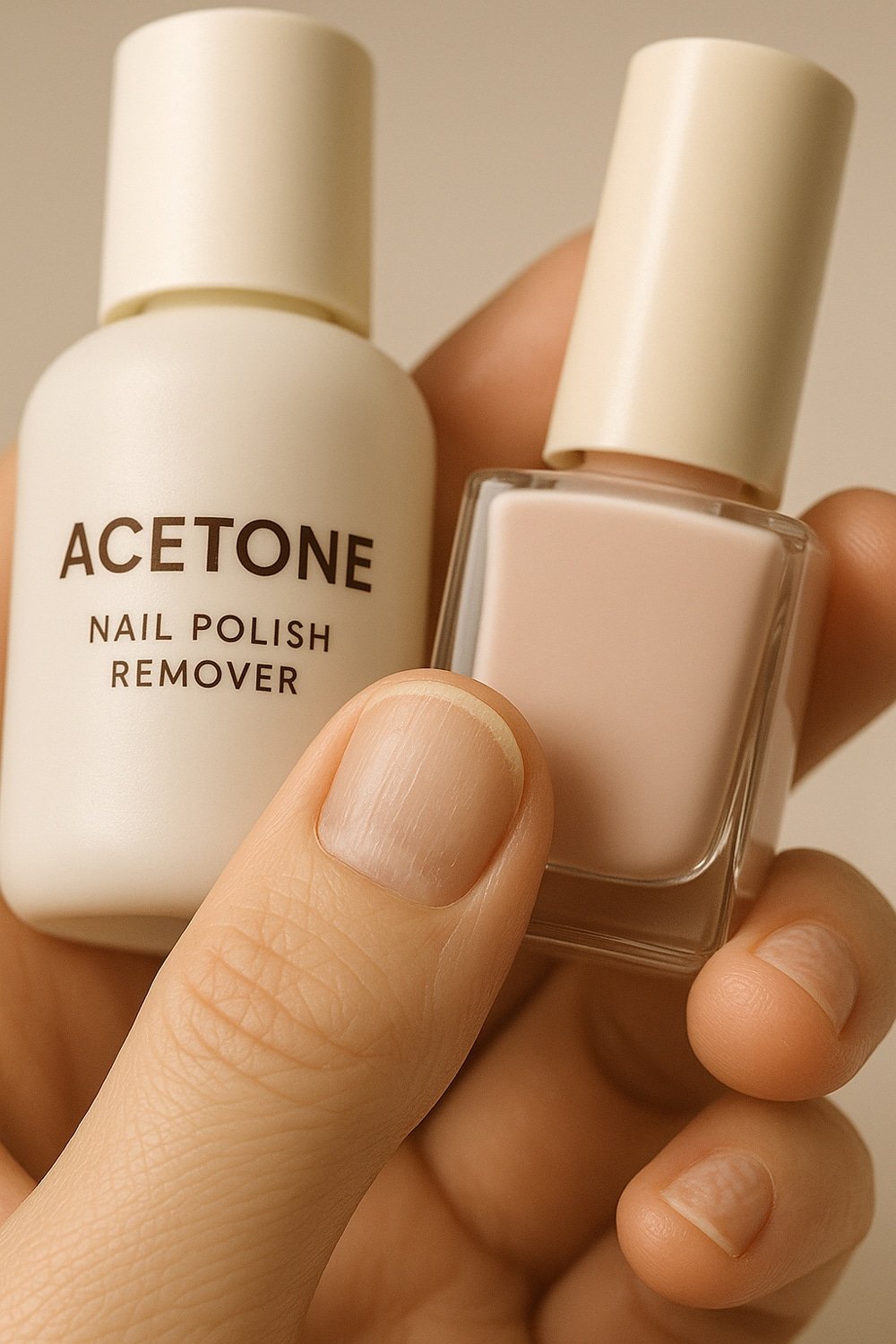
C. Nutrient Deficiency, Iron Deficiency & Vitamin Deficiency
One of the most common internal contributors to peeling nails is iron deficiency anemia.
Symptoms often include:
-
brittle nails
-
thinning hair
-
dry skin
-
fatigue
-
slowed nail growth
Other deficiencies include:
-
biotin
-
B-vitamins
-
protein
These nutrients help the body create keratin — meaning your nails reflect what your diet may be missing.
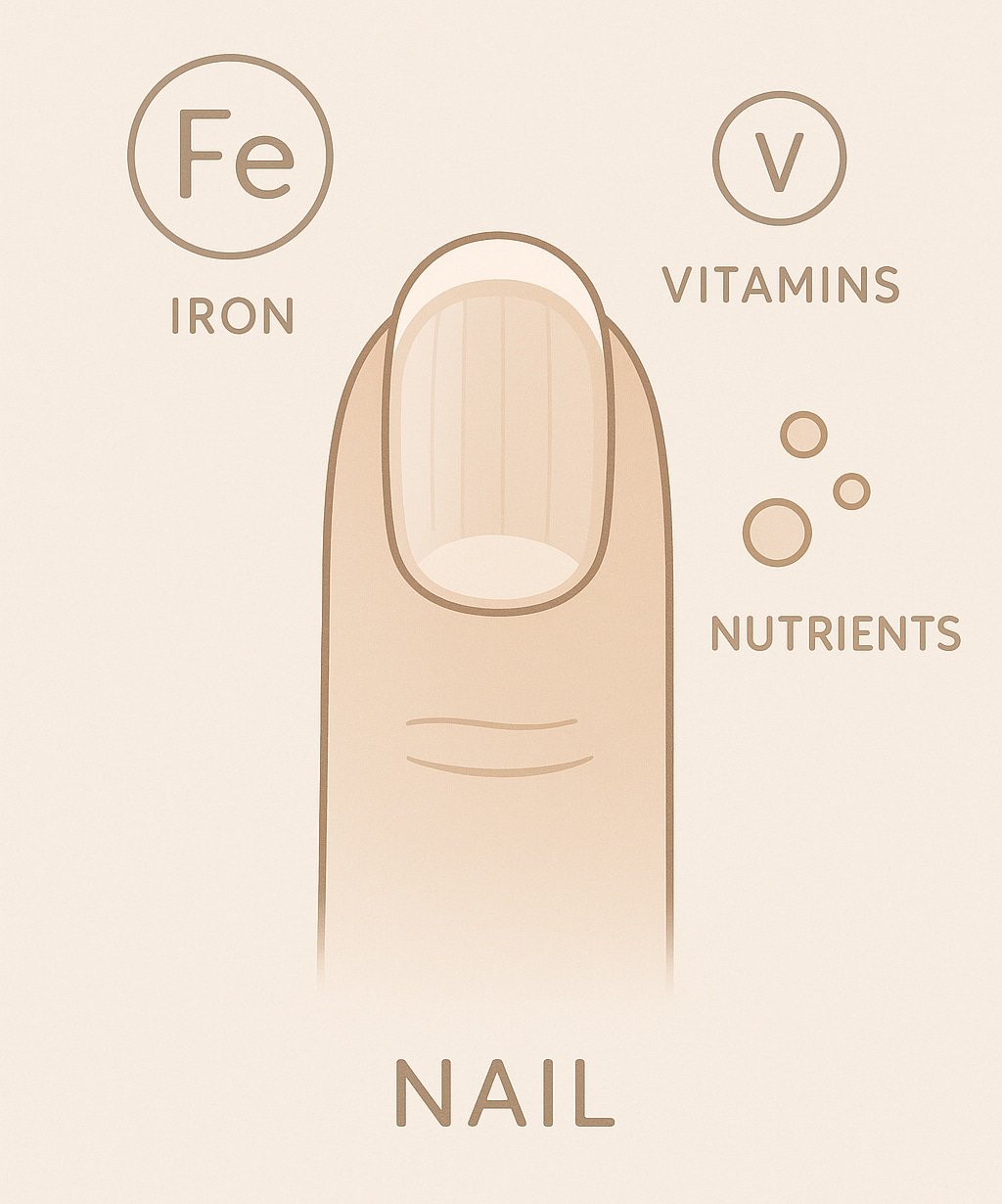
D. Thyroid Disease & Thyroid Issues
The thyroid regulates metabolic functions, including nail growth. When thyroid levels shift, nails may:
-
grow slowly
-
peel more easily
-
become soft or brittle
-
appear dry or ridged
Your file highlights that thyroid disease can cause brittle nails and skin changes and often requires having thyroid levels tested.
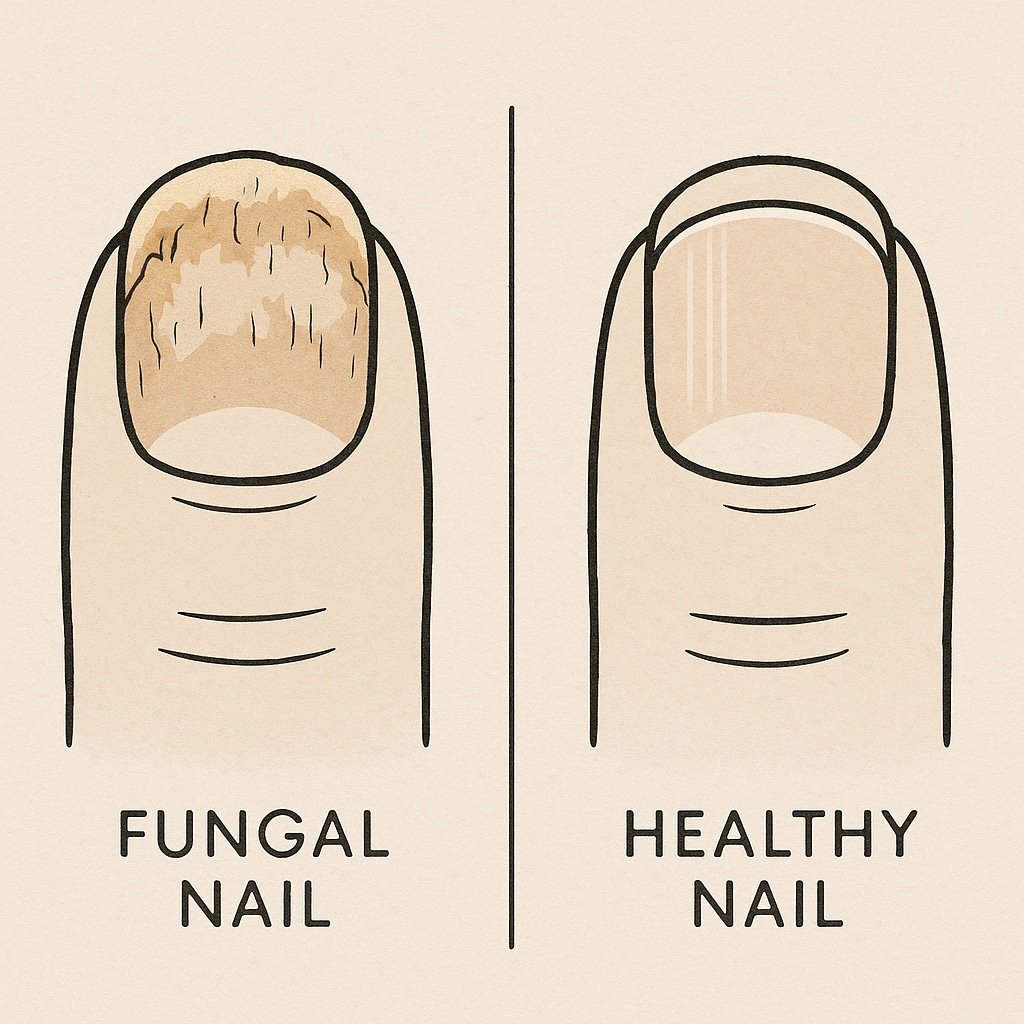
E. Fungal Infection & Skin Conditions
A fungal infection may cause surface peeling, discoloration, or thickening.
Certain skin conditions such as eczema or psoriasis can impact nails too, affecting the top layer or nail beds.
When nails peeling is accompanied by color changes or thick texture, a dermatologist or primary care physician should evaluate it.
4. Why Nails Become Brittle, Weak, or Prone to Splitting
Your files describe how brittle nails often result from:
-
dry air
-
harsh products
-
aging
-
nutrient deficiency
-
prolonged exposure to chemicals
-
overuse of removers
When nails become weak and brittle nails, layers separate more easily.
This can trigger:
-
peeling
-
splitting
-
flaking edges
-
uneven nail growth
-
nails soft or bendable
Restoring moisture and structure becomes essential here.
5. How to Fix Peeling Nails: A Gentle, At-Home Healing Routine
Healing peeling nails requires nurturing the nail plate, hydrating the skin around the nails, and protecting your nails from daily friction.
Here is the NÜDE-approved at-home treatment ritual:
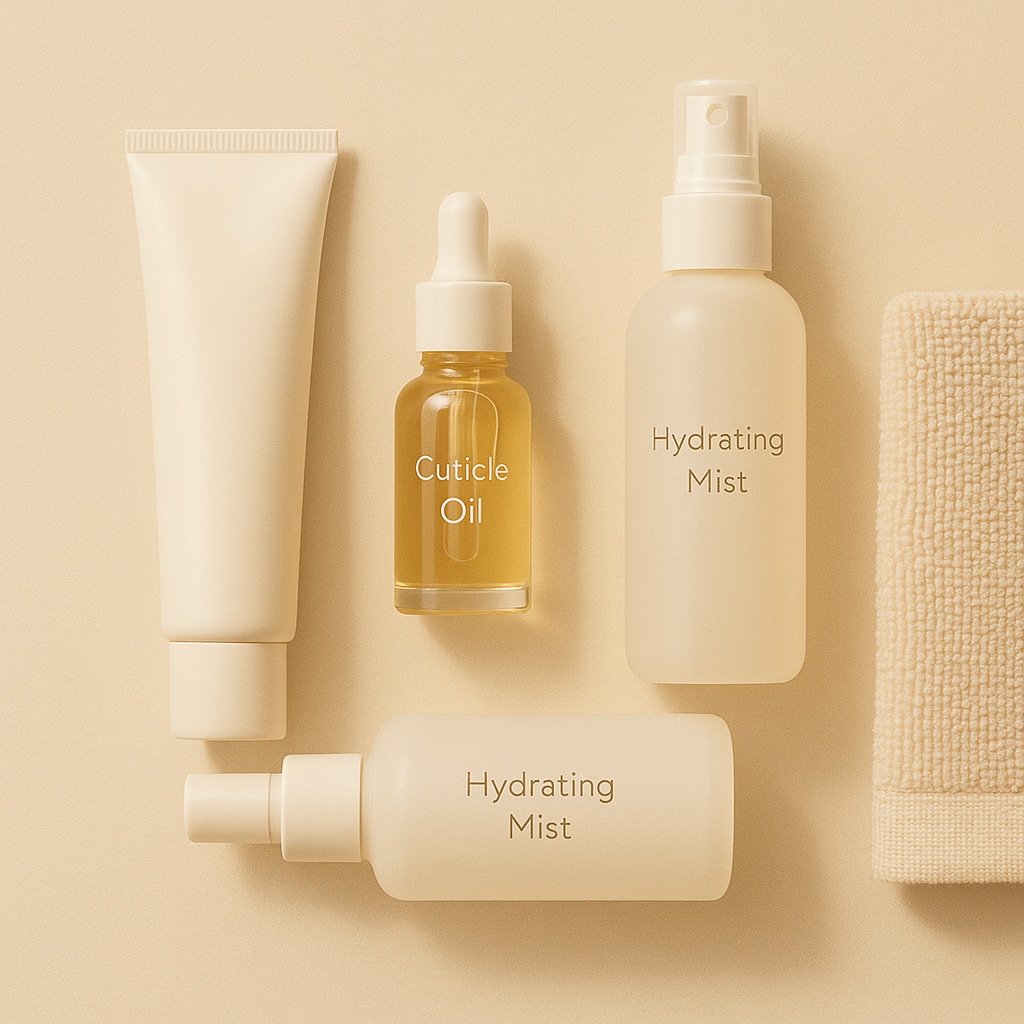
A. Apply Cuticle Oil Daily
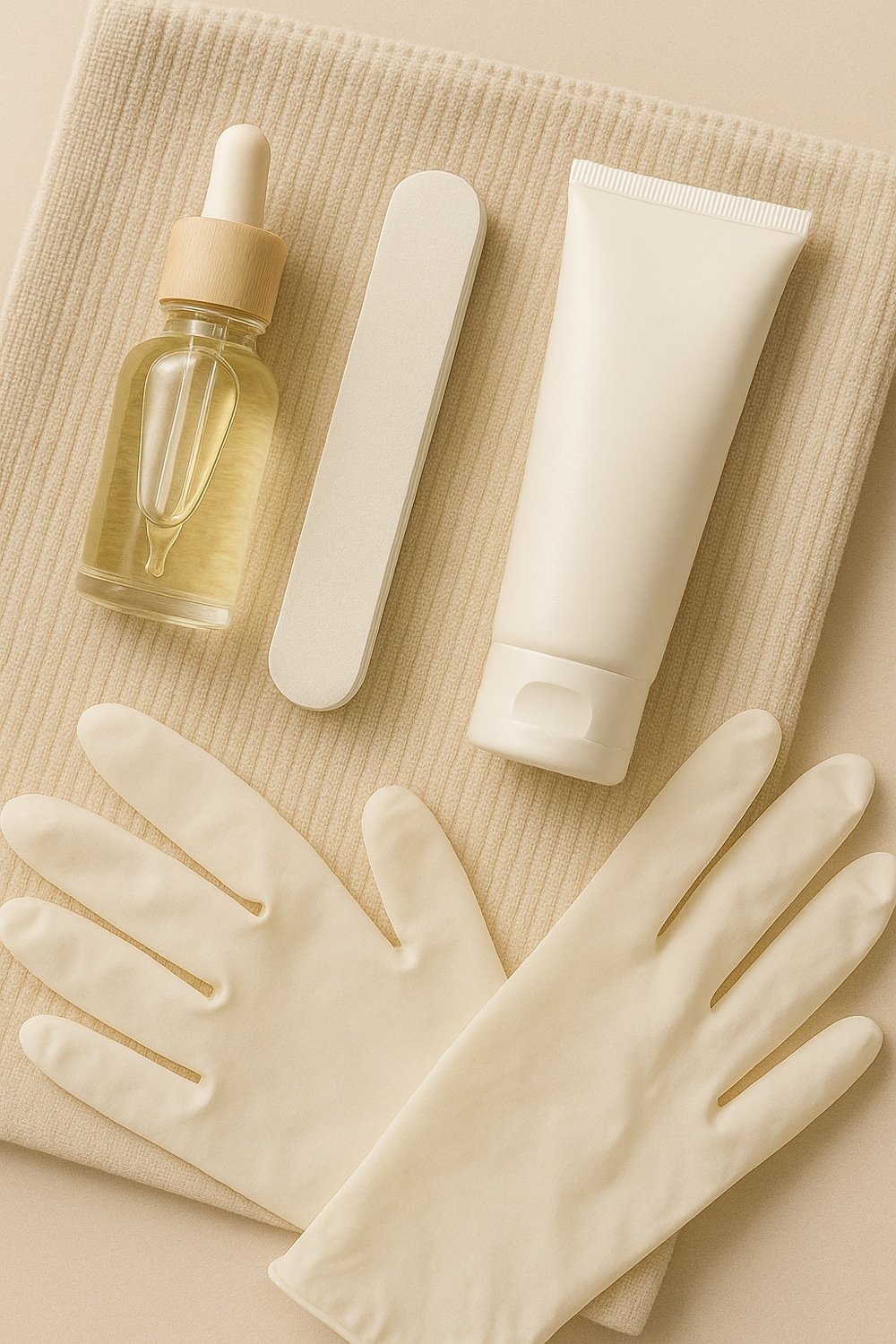
Cuticle oil strengthens nails, supports the surrounding cuticle, and helps prevent peeling nails.
Using oil with vitamin E deeply moisturizes the nail beds.
Use morning and night for visible improvement.
B. Moisturize After Every Washing
Hands lose hydration each time they’re washed.
Moisturizing immediately afterward prevents the nail plate from drying and cracking.
Your references confirm that keeping nails moisturized is the best way to prevent peeling nails.
C. Wear Gloves When Washing Dishes or Cleaning
Wearing gloves protects your nails from:
- chemicals
- friction
- too much moisture
Your file states: “Wearing gloves during tasks involving water or harsh chemicals protects nails.”
D. Use a Nail File Correctly
Always file in one direction.
Filing back and forth weakens the nail plate and causes the layers to split.
E. Use a Nail Strengthener to Support Growth
A nail strengthener reinforces the top layer, making peeling less likely.
Your files confirm strengtheners help repair damage and promote healthy nail growth.
F. Incorporate a Nail Buffer — Gently
A nail buffer can smooth peeling edges but should be used sparingly to avoid thinning the nail plate.
G. Nourish Your Body for Better Nail Growth
A balanced diet rich in:
- protein
- iron
- biotin
- B-vitamins
…supports long-term nail growth and reduces peeling.mm
6. When Peeling Nails Signal an Internal Cause
If peeling nails last longer than six to eight weeks, consider possible internal factors.
Your files highlight:
-
iron deficiency
-
iron deficiency anemia
-
thyroid disease
-
fungal infection
-
skin conditions
-
nutrient deficiency
-
medication effects
Doctors may recommend blood tests or having your thyroid tested to identify underlying causes.
7. Preventing Peeling Nails: Your Luxury Daily Ritual
Preventing peeling nails is about consistency, not intensity.
Here is a ritual you can follow at home:
Daily
-
Apply cuticle oil
-
Moisturize after hand washing
-
Avoid picking polish
-
Protect nails from harsh chemicals
Weekly
-
File in one direction
-
Use a nail buffer sparingly
-
Give your nails polish breaks
Always
-
Wear gloves when cleaning
-
Avoid prolonged exposure to water
-
Hydrate skin and nails consistently
Healthy nails require a balance of protection, moisture, and gentle handling.
8. NÜDE Nail Spa: The Luxury Approach to Strengthening Your Nails
At NÜDE Nail Spa, we believe your nails deserve a ritual — not a rush.
Our treatments are designed to heal, hydrate, and strengthen nails gently while maintaining the integrity of natural nails.
✨ Hydration-Infused Manicures
We cocoon dry skin and nails in restorative oils that replenish moisture and support nail beds.
✨ Clean, Non-Toxic Polish Philosophy
Our polishes and gel polish formulas prioritize gentle ingredients, helping protect your nails from unnecessary chemicals.
✨ Strengthening Nail Treatments
We incorporate:
- flexible strengtheners
- protective barrier coatings
- deep nourishment oils
…to strengthen nails without causing brittleness.
✨ Thoughtful Cuticle Care
We honor the surrounding cuticle with precision and care — never cutting too aggressively, always preserving the natural barrier.
✨ Personalized Nail Assessments
Our technicians analyze peeling patterns, dryness levels, and nail plate health to guide your nail journey with integrity and calm.
This is the essence of quiet luxury — a return to softness, simplicity, and deep nourishment.
9. Frequently Asked Questions About Peeling Nails
1. What deficiency causes fingernails to peel?
Most often iron deficiency anemia, followed by general nutrient deficiency and vitamin deficiency such as low biotin or B-vitamins.
2. Why are the top layers of my nails peeling?
Dryness, excessive moisture, harsh chemicals, friction, nutritional imbalance, or internal health issues like thyroid disease.
3. How do I fix my peeling nails?
Hydrate the nail plate, apply cuticle oil daily, wear gloves, use a nail strengthener, file in one direction, and reduce exposure to chemicals.
4. What does it mean if you have peeling nails?
It may indicate environmental irritation, nutrition gaps, fungal infection, or internal cause such as thyroid issues or iron deficiency.
Conclusion: Your Nails Are Asking for Gentle Attention
Peeling nails aren’t a flaw — they’re a quiet message from your body and skin. With understanding, hydration, and thoughtful routine, your nails can regain their resilience, softness, and natural beauty.
At NÜDE Nail Spa, we believe that caring for your nails is a form of self-respect — a small ritual that nurtures your overall health and spirit. When you’re ready, our strengthening treatments and clean beauty philosophy will welcome you into a space of calm, clarity, and elevated care.
Resources:
- https://health.clevelandclinic.org/brittle-nails-causes-treatment
- https://pmc.ncbi.nlm.nih.gov/articles/PMC8896184/
- https://www.aad.org/public/everyday-care/nail-care-secrets/basics/healthy-nail-tips
- https://www.healthline.com/health/peeling-nails
- https://www.prevention.com/health/a35481336/why-are-my-nails-peeling/
- https://doralhw.org/condition/peeling-nails