
We love the glossy finish and instant confidence that comes with freshly painted nails — but have you ever wondered if your nail polish is toxic? Many traditional formulas contain harsh chemicals that do more than just add color. Ingredients like formaldehyde, toluene, and dibutyl phthalate (DBP) have been linked to skin irritation, hormone disruption, and other long-term health concerns.
Today, awareness around nail polish toxic ingredients is growing, leading more people to seek non-toxic nail polishes that are safer for the body and the environment. In this guide, we’ll explore what makes some polishes harmful, how these chemicals affect your health, and which clean, modern alternatives let you enjoy beautiful nails without the risks.
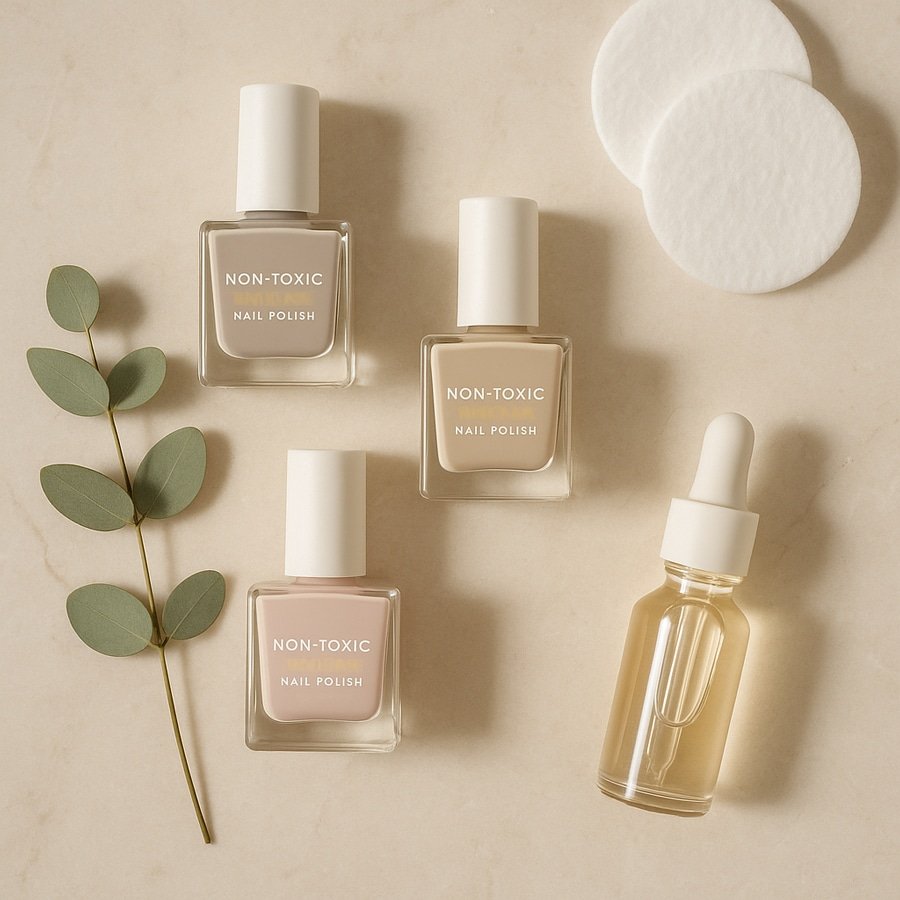
Introduction to Nail Polish
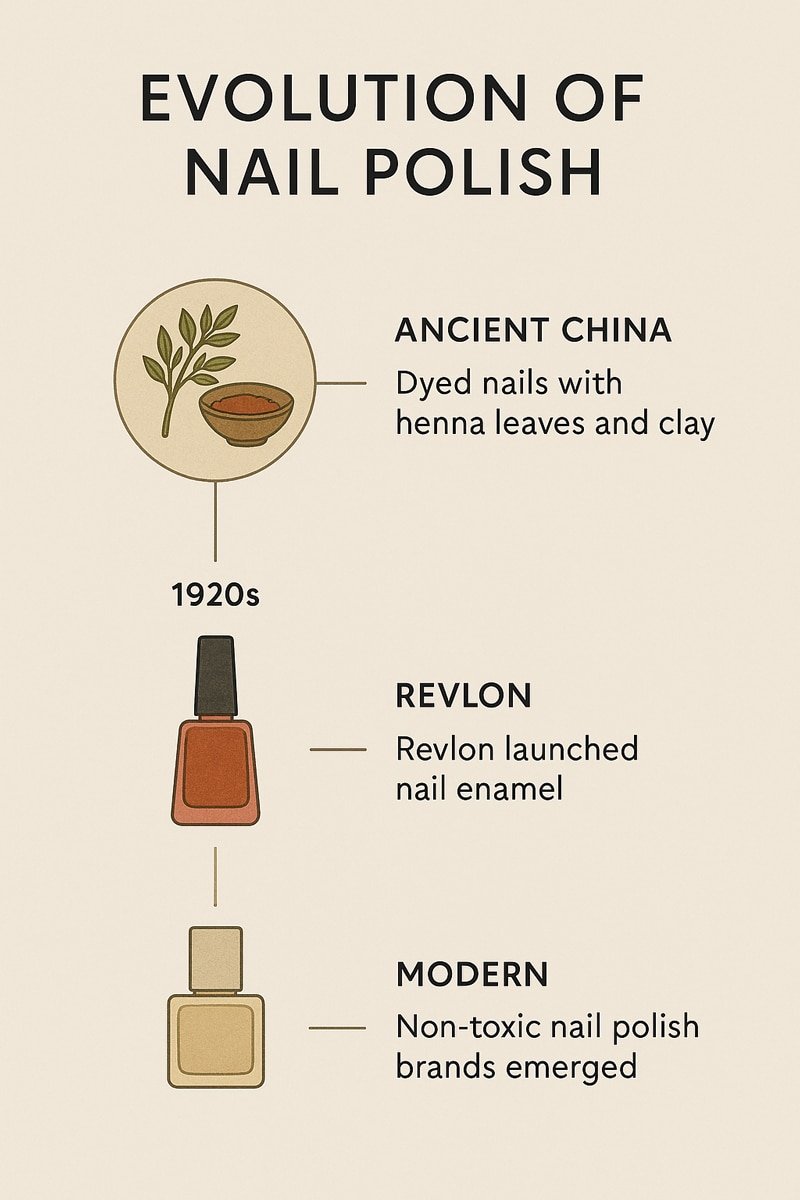
Nail polish, also known as nail varnish, has been a symbol of self-expression for centuries. From the use of henna leaves and clay in ancient China to today’s glossy finishes, people have long sought ways to decorate and protect their nails.
The practice of coloring and adorning nails dates to antiquity, with evidence of nail polish dating back to 6000 BC. Early forms used natural pigments from plants and minerals to tint the nails, often as symbols of power, beauty, or spirituality.
In ancient China and Egypt, people tinted their nails with natural dyes made from henna and clay, using rich reddish-brown shades as symbols of power and elevated social rank. Nail color wasn’t just cosmetic — it was cultural, a signifier of class and identity that connected beauty with symbolism.
Nail polish originated in China and dates back to 3000 BCE, where early formulations were made from beeswax, egg whites, and vegetable dyes. Deep reds and crimsons were reserved for the elite, while lighter shades were worn by nobility.
Over time, these customs spread through Egypt, India, and Asia. Queen Nefertiti favored ruby-red tones, while Cleopatra preferred rusty hues made from henna and clay. These early expressions of self-care and artistry laid the foundation for the modern nail polish industry we know today.
The modern nail polish industry significantly expanded in the 1920s, moving from traditional reds to a variety of color palettes inspired by fashion and art. This era marked the beginning of commercial nail polish production, as beauty became more democratized and accessible.
A few years later, innovation took a major leap forward. Charles Revson developed the first colored nail polish in 1930, incorporating pigments into a transparent base — a breakthrough that transformed nail color from a luxury symbol into an everyday fashion accessory.
In Victorian culture, however, it was considered improper for women to adorn themselves with makeup or nail polish, reflecting the conservative social norms of the time. Beauty was associated with modesty, and visible cosmetics were often seen as rebellious or inappropriate.
From the quiet restraint of the Victorian era to the vibrant expression of the 20th century, the story of nail polish mirrors society’s evolving relationship with beauty, identity, and self-expression.

A Brief History
The history of nail polish stretches back thousands of years. In ancient China, royals dyed their nails with henna leaves, beeswax, and egg whites to show social status. Shades like ruby red nails and deep crimson tones were often reserved for nobility. Centuries later, during the early 20th century, the nail polish industry began to take shape.
By the 1920s, chemists borrowed ideas from automotive paint to create glossy, colored nail varnish. This innovation marked the birth of traditional nail polish as we know it — and by 1930, Charles Revson introduced the first pigmented polish under the Revlon brand.
Today, millions of people paint their nails every week, but few stop to think about what’s actually inside the bottle.
Composition of Nail Polishes
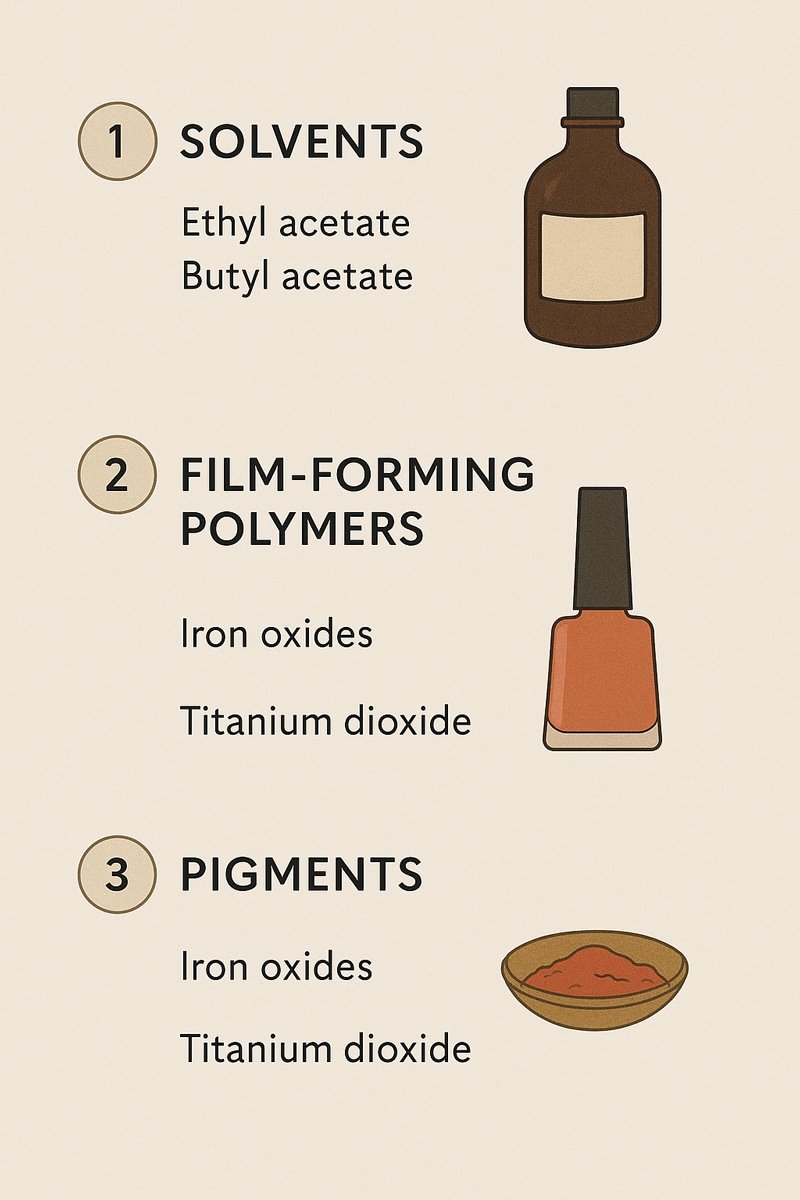
Every nail polish formulation includes a balance of film-forming polymers, solvents, plasticizers, and pigments. These ingredients work together to create a smooth surface on the nail plate and deliver long-lasting color. However, each component carries its own set of risks.
Modern nail polish is primarily composed of film-forming polymers dissolved in volatile organic solvents. This combination allows the polish to glide on smoothly and harden into a durable layer once the solvent evaporates. The chemistry behind it is what gives nail polish its signature glossy finish and resilience.
-
Solvents like ethyl acetate and butyl acetate help the polish spread evenly and dry quickly. As these solvents evaporate, the film-forming layer hardens, leaving a durable finish. But this drying process also releases fumes that can irritate the respiratory system when inhaled in poorly ventilated areas.
-
Film-forming polymers, such as cellulose acetate and polyurethane resins, give the polish structure and shine. These film-forming polymers are responsible for that glass-like coating over your nails, but depending on the type used, they may contain thermoplastic resins or polyester resins that aren’t environmentally friendly.
-
Pigments like iron oxides, titanium dioxide, chromium oxide green, and bismuth oxychloride add color and opacity. These compounds are generally safe in cosmetics, but trace metals can occasionally remain as impurities.
Around the 5th century BC, early nail artisans created pale yellow polishes using blends of flower petals, pollen, and natural mineral salts like potassium — a gentle, sunlit shade that reflected the beauty ideals of the time.This early natural formula shows how ancient artisans experimented with color long before synthetic pigments were developed.
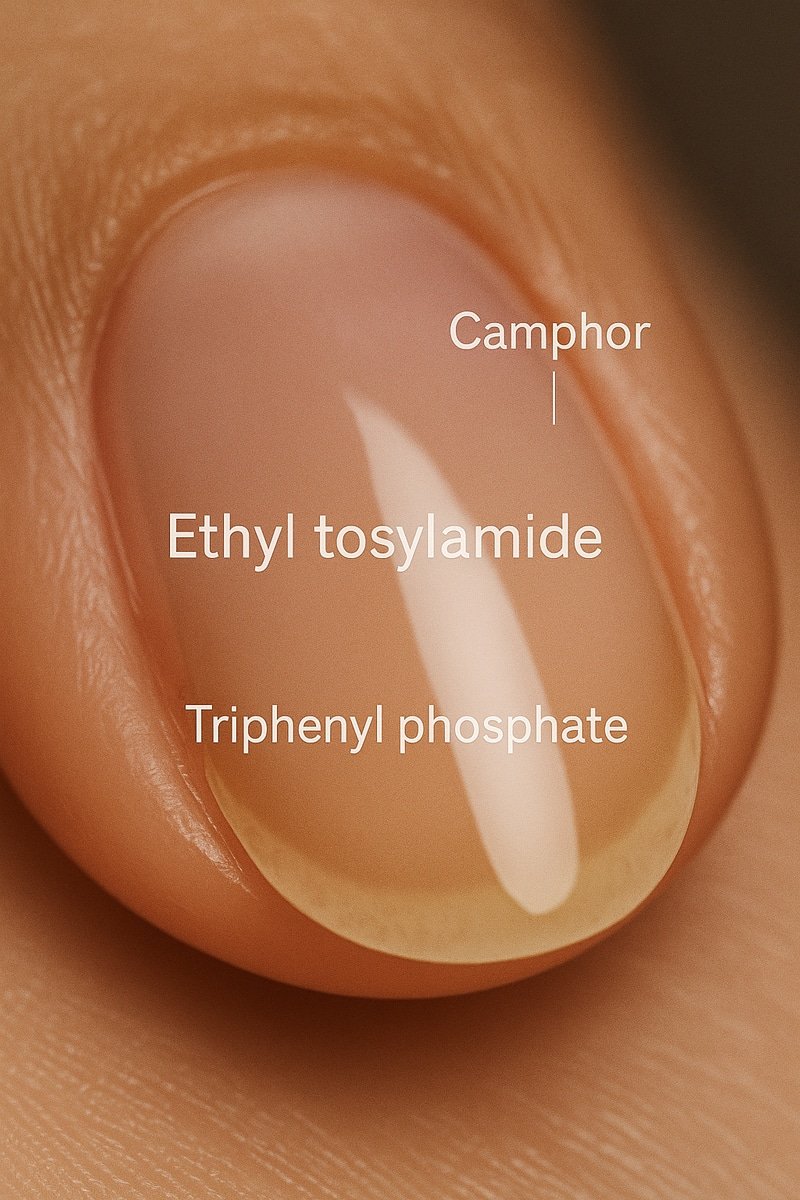
Other active ingredients, including dibutyl phthalate (DBP), triphenyl phosphate (TPHP), and formaldehyde resin, help improve flexibility and shine — yet these are the compounds most often linked to toxic chemicals and health concerns.
There has been a noticeable decline in the use of toluene and other toxic components in nail polishes due to health concerns. Many modern formulations have replaced these ingredients with safer, lower-emission alternatives that maintain performance while reducing risk.
Some long-lasting nail polishes also include calcium carbonate, cellulose acetate butyrate, or cellulose acetate propionate for extra durability and gloss. The result is a cosmetic product that looks beautiful — but may expose users to more than just color.
The Toxic Trio: What Makes Nail Polish Toxic
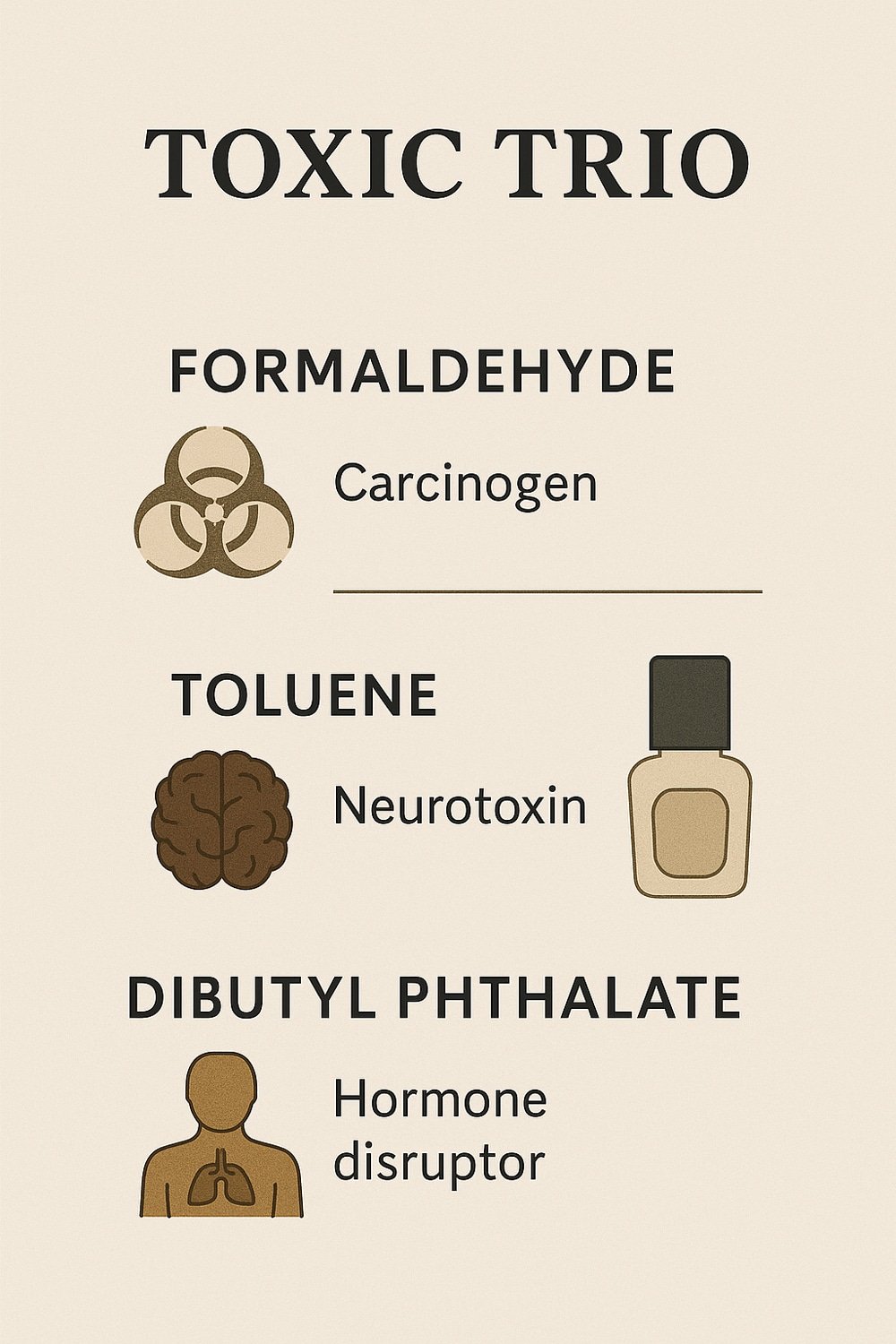
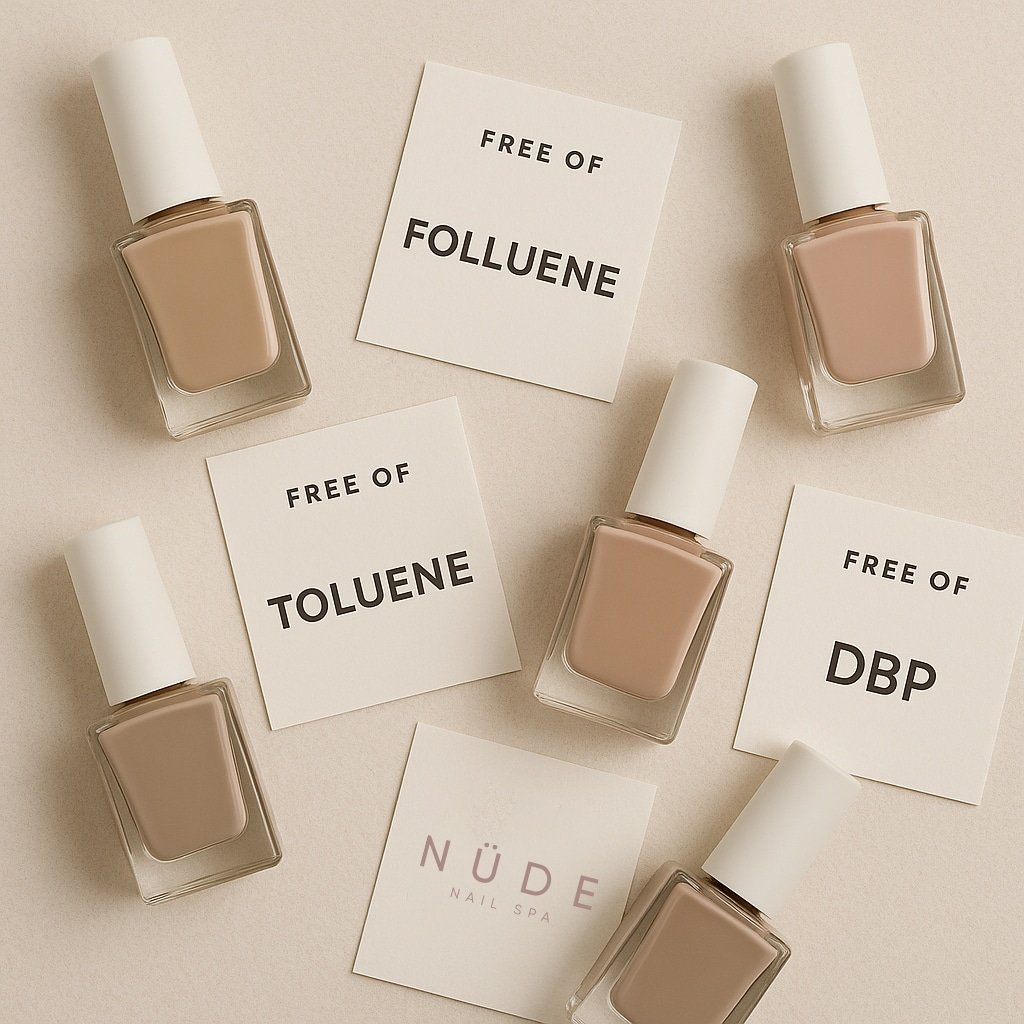
When experts talk about nail polish toxic risks, they often refer to the “toxic trio” — formaldehyde, toluene, and dibutyl phthalate (DBP). These three harmful components have been widely studied for their impact on health and the environment.
- Formaldehyde is a known carcinogen used to harden and preserve the polish. It helps strengthen nails temporarily, but prolonged exposure can lead to allergic contact dermatitis, breathing difficulties, and irritation of the eyes, skin, and throat.
- Toluene acts as a solvent, giving traditional nail polish a smooth texture and glossy finish. However, it’s also a neurotoxin linked to headaches, dizziness, and potential reproductive health effects with long-term exposure.
- Dibutyl phthalate (DBP), a plasticizer used to prevent polish from becoming brittle, has been connected to hormone disruption and negative effects on fetal development. It’s banned in cosmetic products in several regions due to these risks.
When these toxic chemicals combine, they not only affect users but also pose occupational hazards for those working in nail salons, where daily exposure is common.
Beyond the Toxic Trio: Other Harmful Additives
While the “big three” draw the most attention, many nail polishes still contain other harmful components:
-
Formaldehyde resin, a derivative of formaldehyde, is a known allergen that can trigger contact dermatitis. It helps the polish adhere to the nail plate, but frequent use can lead to nail bed inflammation and brittleness.
-
Camphor, added to provide flexibility and shine, can cause nausea or headaches when inhaled in large quantities.
-
Ethyl tosylamide and triphenyl phosphate are often used to enhance polish texture and durability, yet both raise safety concerns — the former linked to antibiotic resistance, the latter to hormone disruption.
-
Xylene and isopropyl alcohols appear in some nail polish removers, adding further exposure when removing polish.
These chemicals are often present in small amounts, but chronic exposure — especially in enclosed spaces — can still lead to allergic reactions or long-term health effects.
Modern Alternatives: 3-Free, 5-Free, and Beyond
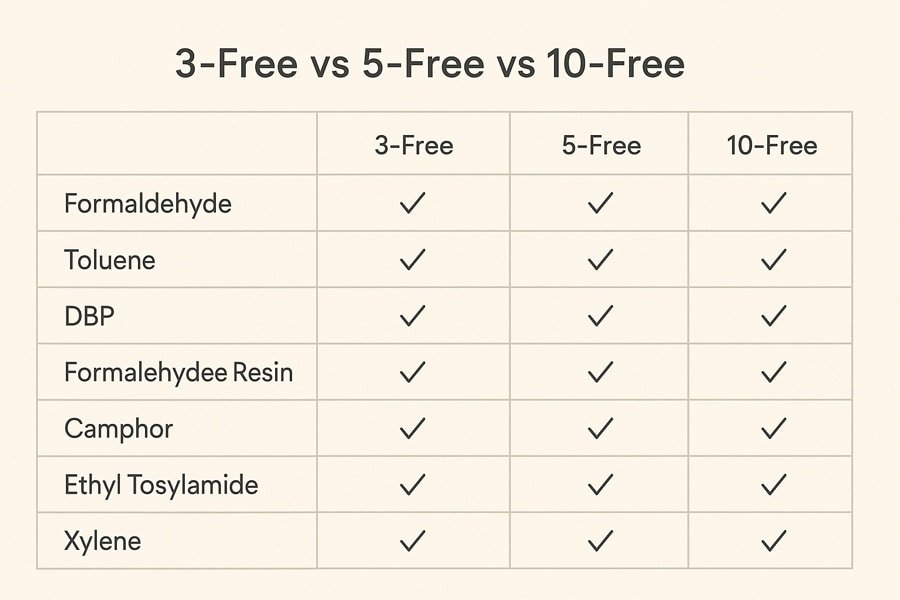
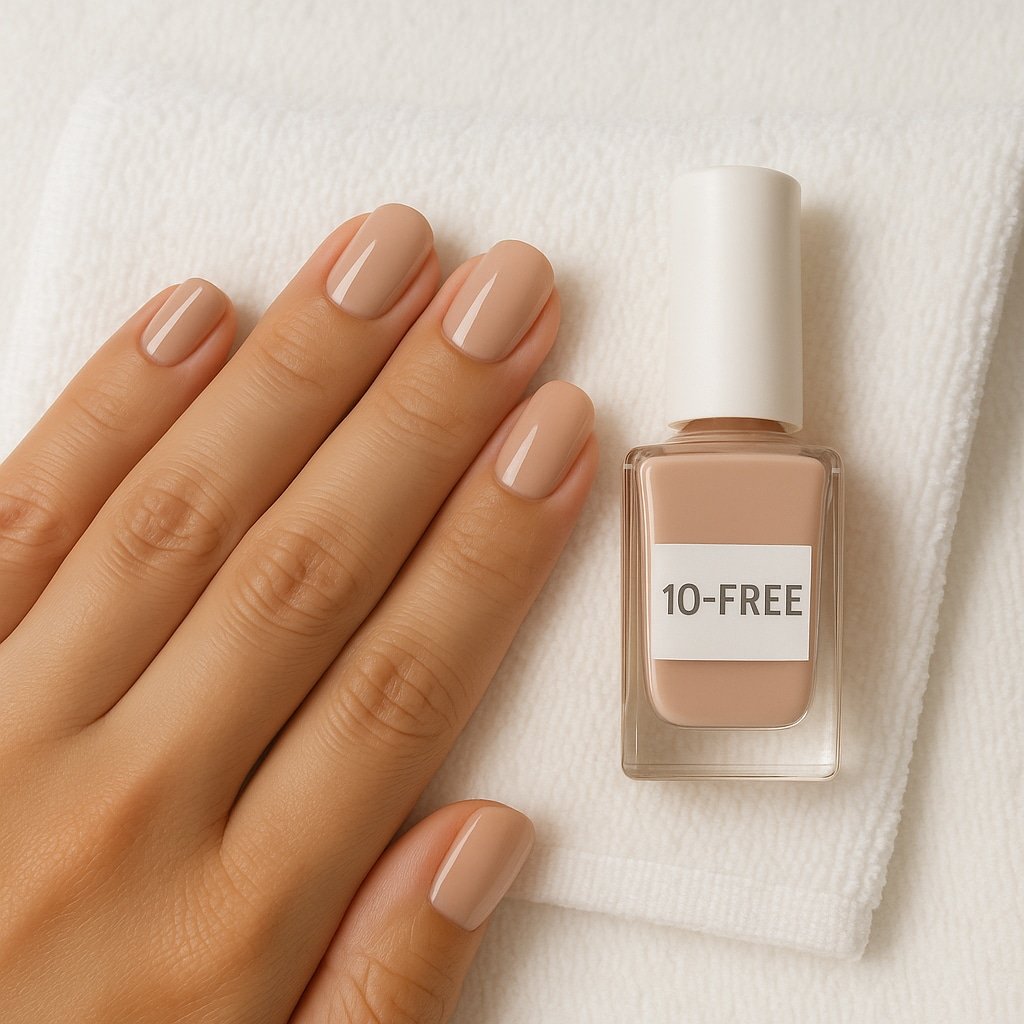
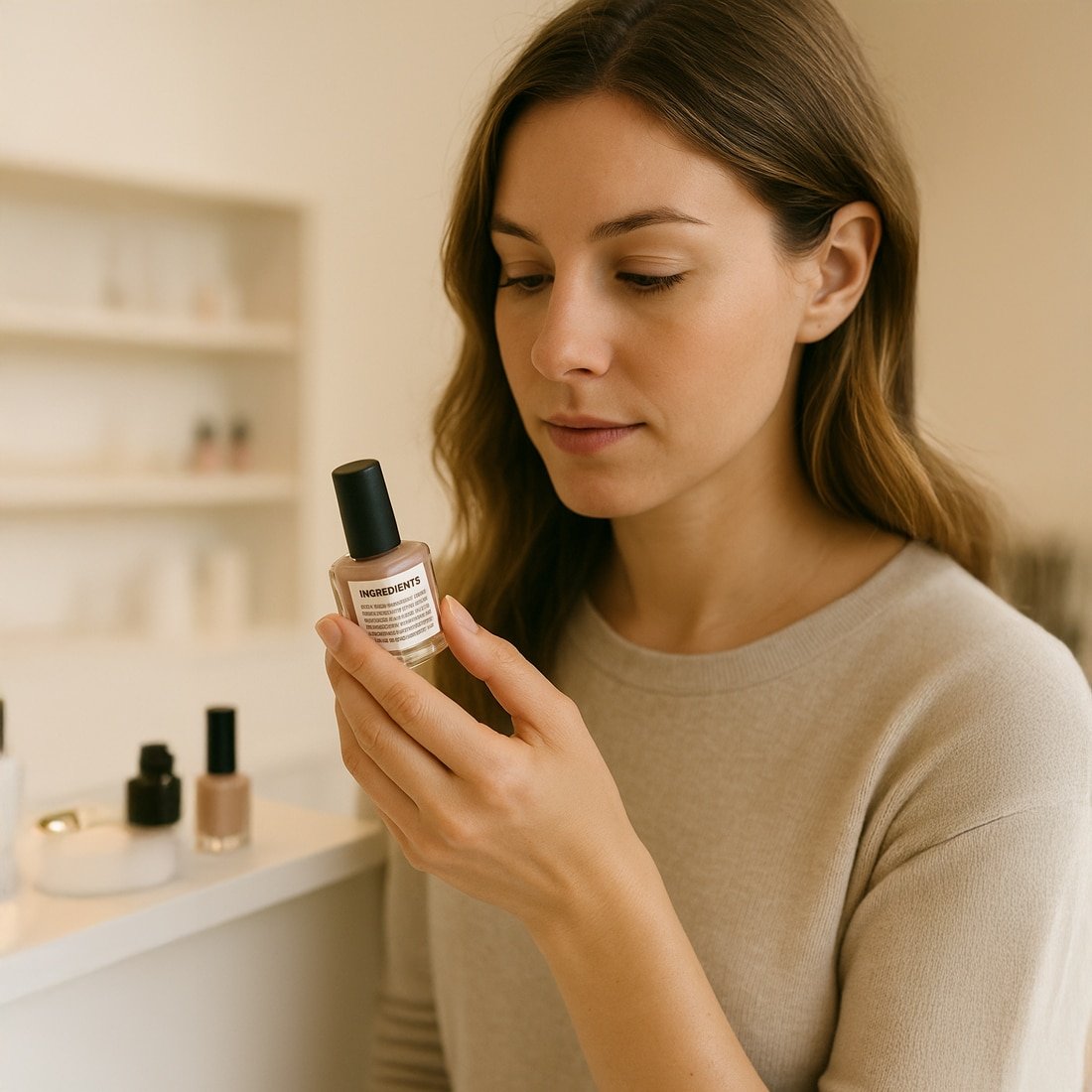
In response to consumer awareness, many nail polish brands now label their products as “3-free,” “5-free,” or even “10-free.” These terms indicate how many toxic ingredients are excluded from the formula.
‘3-free’ nail polishes do not contain formaldehyde, toluene, and dibutyl phthalate (DBP). These three compounds, often called the “toxic trio,” have been linked to allergic reactions, hormone disruption, and other health risks. Removing them makes modern formulas safer for both users and salon professionals.
Higher-free polishes, such as ‘5-free’ or ‘10-free,’ may also exclude additional harmful substances like camphor and formaldehyde resin. These expanded formulations take the concept of safety a step further by reducing the overall chemical load on both the body and the environment.
-
3-free: free from formaldehyde, toluene, and DBP.
-
5-free: also excludes formaldehyde resin and camphor.
-
10-free: eliminates additional substances like parabens, fragrances, and ethyl tosylamide.
While these labels sound reassuring, they aren’t strictly regulated by regulatory bodies. Some products marketed as “non-toxic” may still contain sensitizing resins TSFR or aryl sulfonamide formaldehyde compounds that can cause contact dermatitis in sensitive individuals.
Formulations labeled above ‘3-free’ can still include toxic or sensitizing components like camphor, triphenyl phosphate (TPHP), and various resins. This highlights why it’s essential for consumers to read ingredient lists carefully rather than relying solely on marketing claims.
Still, moving toward non-toxic nail polish is a step forward. Safer formulas help reduce environmental concerns, protect salon workers, and promote better cosmetic dermatology practices worldwide.
The Environmental Impact of Nail Polish
The beauty industry has made incredible strides in innovation and color diversity — but the nail polish industry also faces growing scrutiny for its environmental footprint.
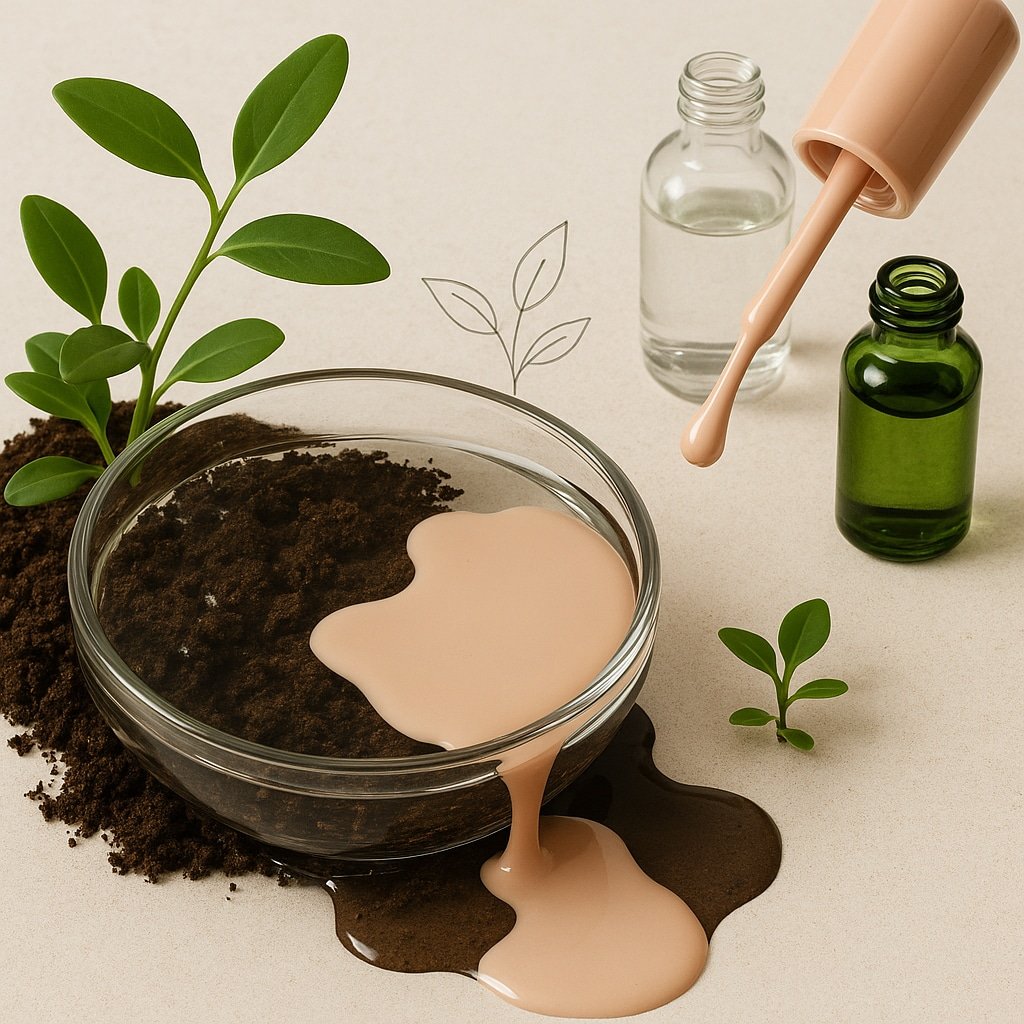
Many nail polishes contain toxic chemicals that don’t just vanish when we throw away an empty bottle. Once discarded, ingredients such as ethyl acetate, butyl acetate, and formaldehyde resin can seep into soil and water systems. These substances may harm aquatic life and contribute to larger-scale environmental concerns.
The issue deepens with improper disposal. When leftover nail polish or nail polish removers are poured down the drain, their solvents release volatile organic compounds (VOCs) into the air. As these solvents evaporate, they contribute to smog formation and air pollution — an invisible cost of our favorite glossy shades.
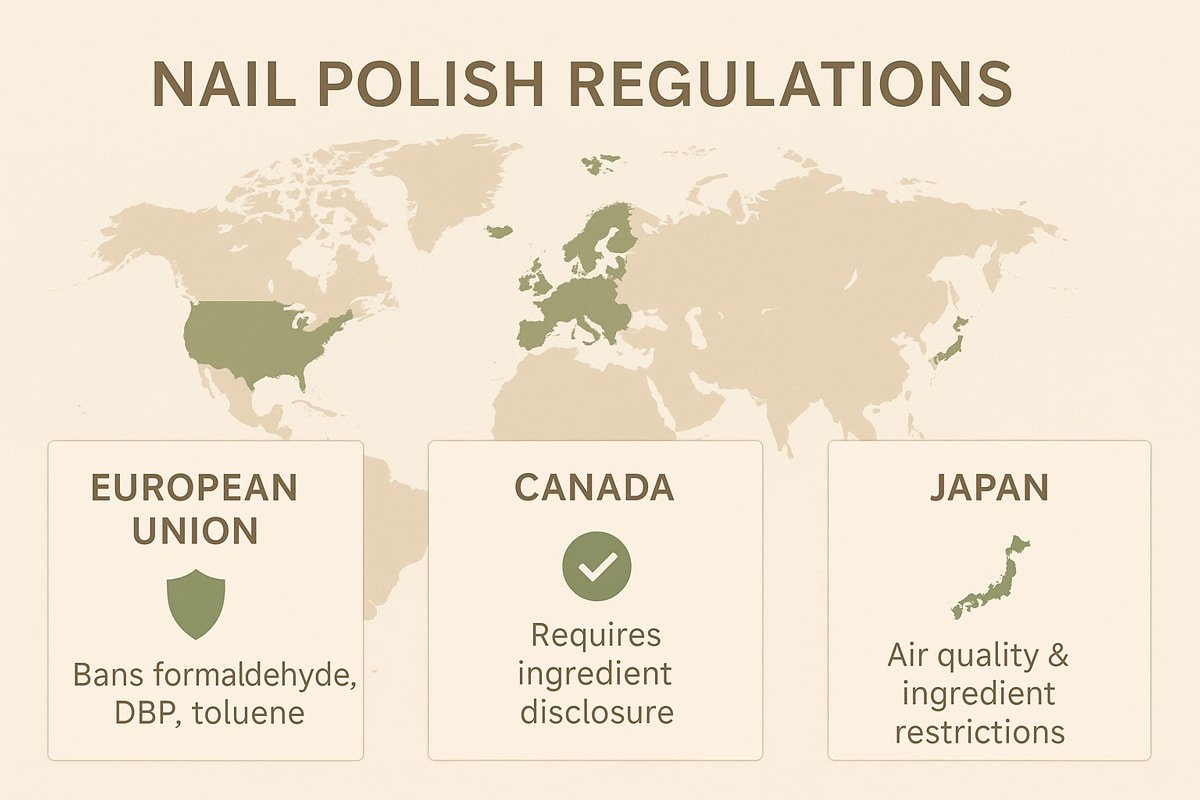
Nail polishes are regulated by the International Cooperation on Cosmetics Regulation (ICCR), which includes the United States, Japan, Brazil, the European Union, and Canada. This international collaboration promotes consistency and higher safety standards across major markets.
The European Union has established the Cosmetics Regulation (CE) No. 1223/2009, which requires nail polishes and other cosmetic products to be proven safe for consumers before being marketed. This law enforces transparency in ingredient lists and restricts the use of certain toxic chemicals like dibutyl phthalate (DBP) and toluene.
Despite this progress, the phrase “eco-friendly polish” remains loosely defined. Some nail polish brands claim to be “green” or “non-toxic,” but without standardized testing, it’s hard for consumers to distinguish genuine eco-conscious products from marketing claims.
Nail Salon Safety: Hidden Risks Behind the Shine
Behind every flawless manicure lies the skill and dedication of nail technicians — but their exposure to toxic chemicals often goes unnoticed.
Inside many nail salons, the air is saturated with fumes from nail polish, gel polish, nail polish removers, and adhesives. Daily exposure to these substances can lead to headaches, dizziness, skin irritation, and, over time, more serious health concerns.
One of the most studied hazards is toluene, a neurotoxin linked to fatigue, confusion, and, in high concentrations, potential damage to the liver and kidneys. For pregnant technicians, prolonged contact with dibutyl phthalate (DBP) and other harmful components has been associated with increased risks of miscarriage and developmental problems.
Chronic exposure to certain solvents in nail products can lead to damage to the liver, kidneys, and central nervous system. Over time, these effects can accumulate, especially for technicians working long hours in environments without adequate ventilation or protective measures.
Meanwhile, formaldehyde resin and ethyl tosylamide have been identified as common allergens causing allergic contact dermatitis and chronic skin irritation. Toluene sulfonamide-formaldehyde resin (TSFR) has also been investigated as an allergen since 1940, highlighting its long-standing association with allergic reactions in both clients and nail professionals.
Workers who handle polishes daily are more likely to develop sensitivity over time, even when exposure levels are technically “low.”
Nail salons are also potential sources of occupational asthma, triggered by inhaling (meth)acrylate compounds used in acrylic and gel nail polishes. Over the years, these substances have been linked to inflammation of the airways and breathing difficulties.
Protective Practices Matter
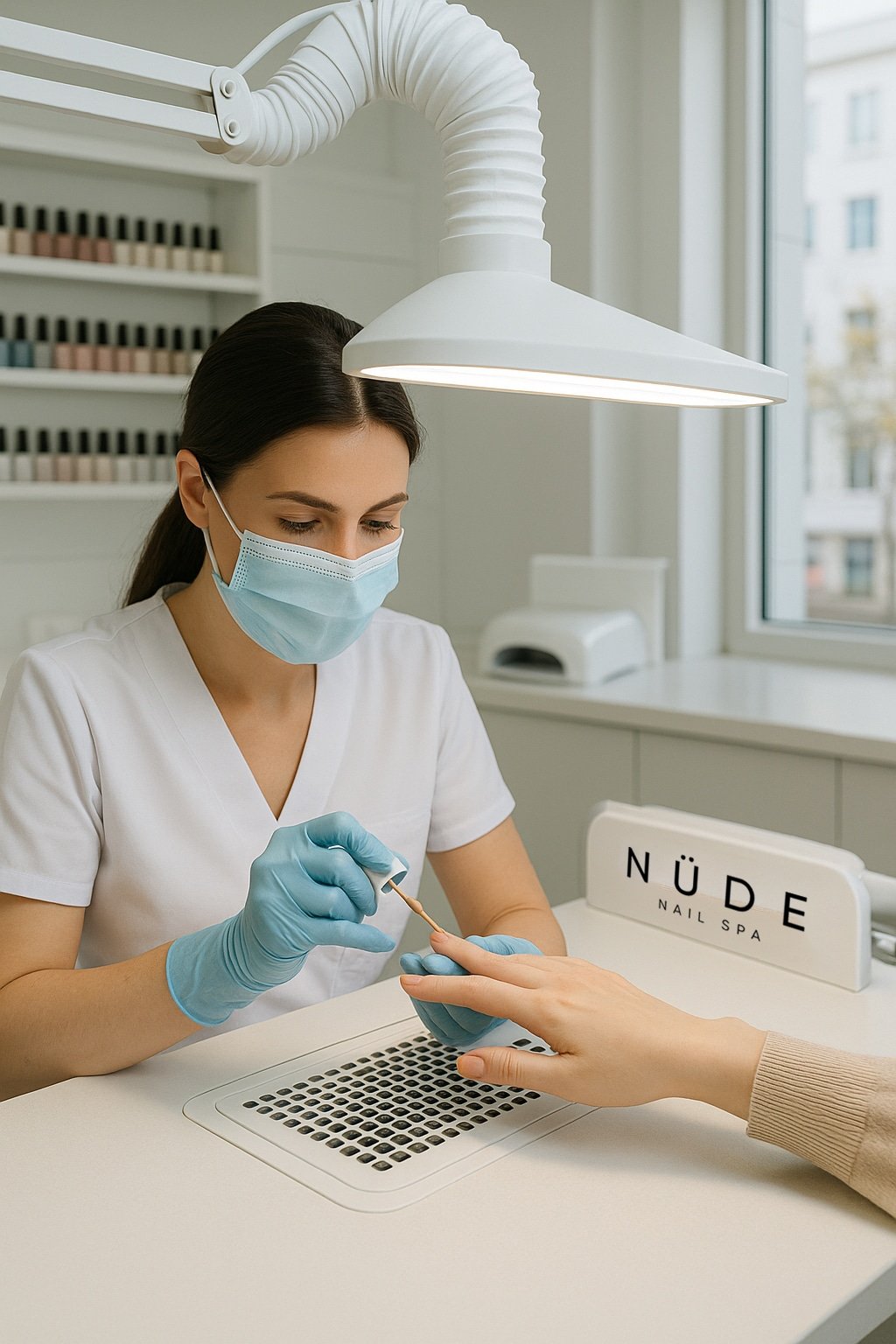
Fortunately, awareness is growing. Many nail salons now invest in ventilation systems and protective gear. Wearing gloves, masks, and ensuring the drying process happens under effective airflow can reduce the impact of airborne solvents.
Even clients can take part in safer practices — requesting well-ventilated workstations or choosing non-toxic nail polishes when available. Using regular nail polish occasionally, in a room with fresh air, poses minimal risk. It’s chronic exposure that increases danger, especially for professionals.
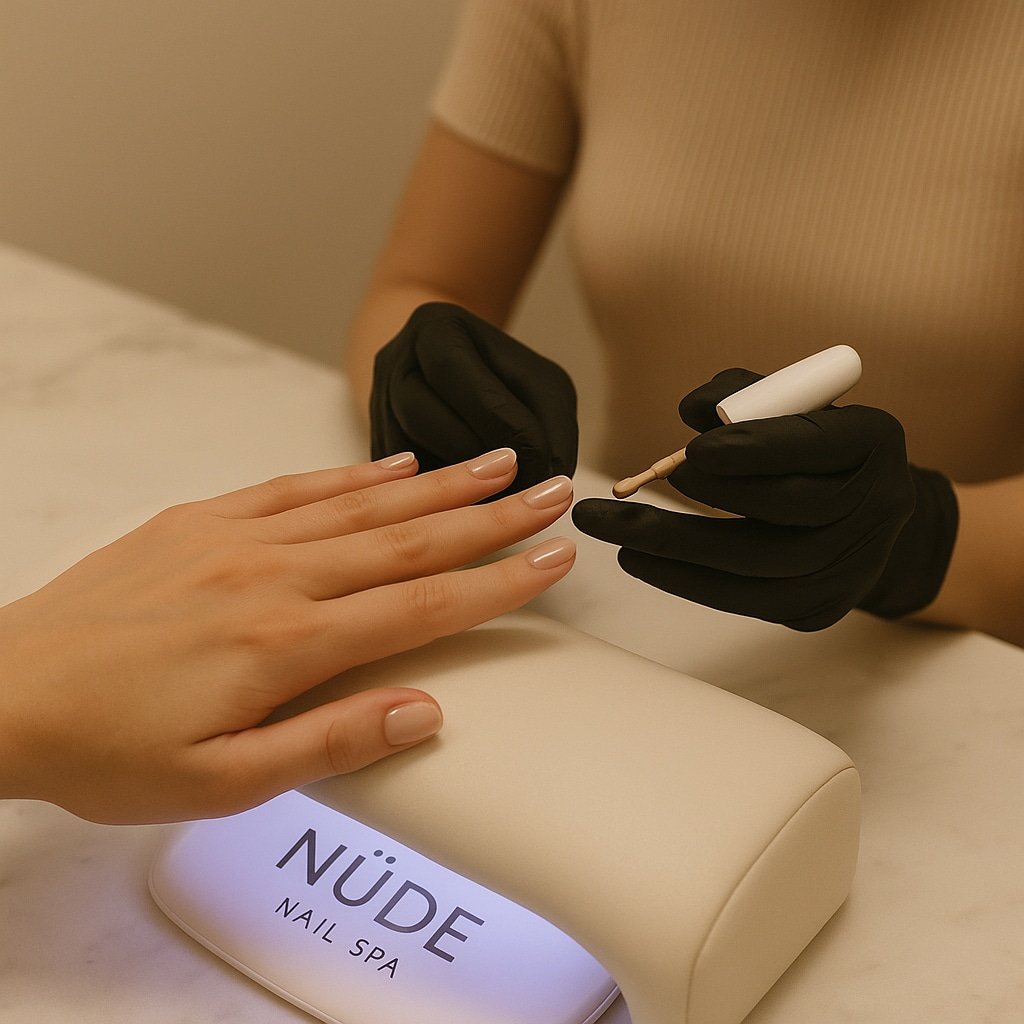
By contrast, eco-conscious nail salons are redefining industry standards. Many are switching to 5-free or 10-free brands and offering gel polish options that exclude harsh solvents entirely. Some even incorporate UV light curing systems that limit the need for ethyl acetate and butyl acetate.
At NÜDE Nail Spa, for example, the commitment to clean beauty means every manicure is performed with products that minimize toxins — protecting both guests and technicians while maintaining a luxurious finish.
Chemicals in Nail Products: What You’re Really Using
While nail polish gets most of the attention, other nail products — such as removers, glues, and strengthening treatments — can also contain hazardous compounds.
-
Formaldehyde resin: Improves adhesion and durability but is one of the top causes of allergic contact dermatitis in nail care.
-
Xylene: A strong solvent that helps dissolve color pigments. Prolonged exposure can cause eye, skin, and respiratory irritation.
-
Camphor: Commonly added for a flexible, glossy finish but may cause headaches and nausea when inhaled in excess.
-
Parabens: Endocrine disruptors that can mimic estrogen in the body and have been linked to an increased risk of breast cancer.
-
Triphenyl phosphate (TPHP): Found in both traditional nail polish and some gel polish types, TPHP is an endocrine disruptor linked to changes in thyroid and reproductive hormone activity.
-
Ethyl tosylamide: A plasticizer used to help polish dry smoothly — but one that raises antibiotic resistance concerns.
-
Isopropyl alcohols: Used in nail polish removers to dissolve lacquer and sanitize tools but can dry out the nail plate and surrounding skin.
-
Cellulose acetate, polyurethane resins, and film-forming polymers: These are essential to the polish structure but can vary in safety depending on purity and origin.
Even “everyday” items like nail polish removers require care. Acetone-based removers, while effective, can strip moisture from the nail plate, leaving it dry and brittle. Repeated exposure can weaken natural nails and cause the nail bed to peel or flake.
Choosing acetone-free nail polish removers made with glycerol carbonate or sucrose acetate isobutyrate can help preserve nail hydration while still removing color effectively.
How Chemicals Affect Nail Health
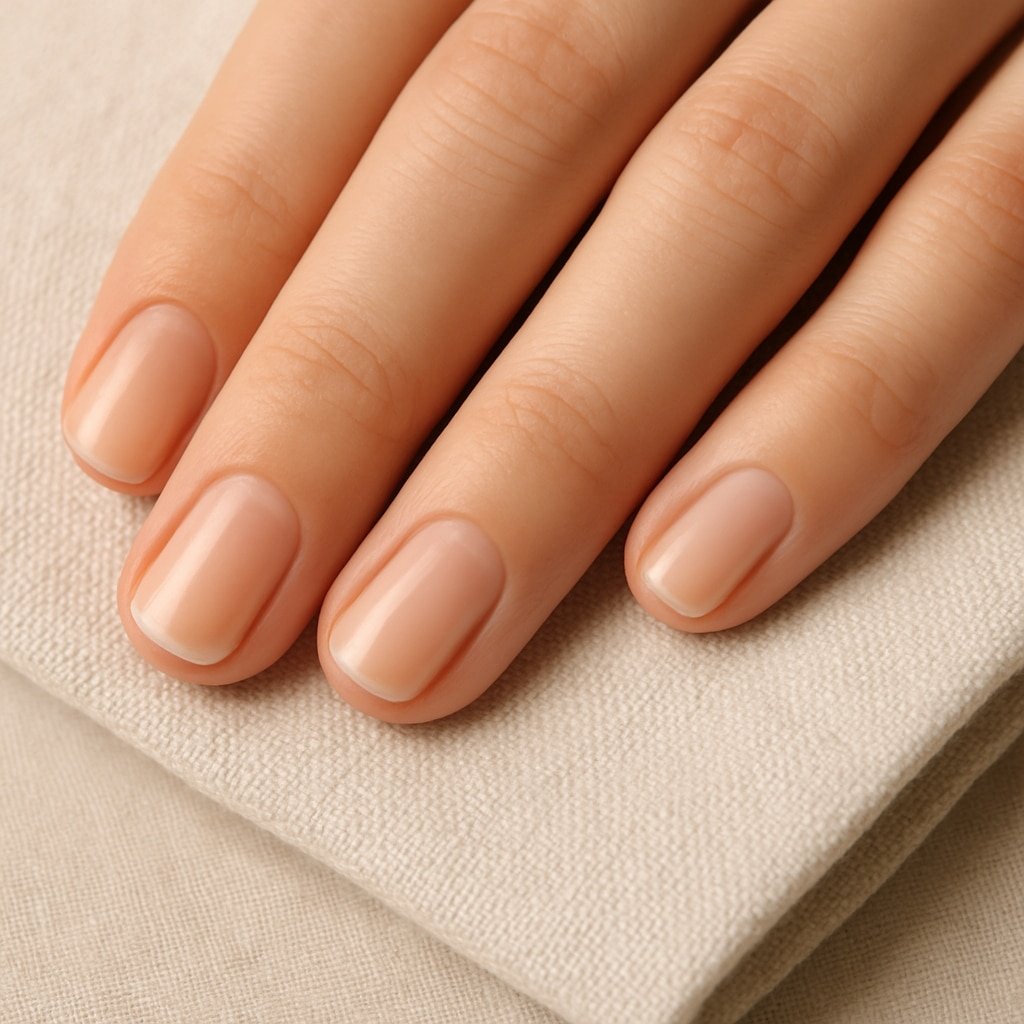
Many people assume that because nail polish sits on the nail plate, it doesn’t enter the body — but research suggests otherwise. Small molecules from solvents, resins, and plasticizers can penetrate the porous surface of nails, especially if the polish is worn continuously.
Frequent exposure to dibutyl phthalate, toluene, and formaldehyde may cause nail discoloration, dryness, and weakened structure. Over time, this leads to peeling or separation between the nail plate and nail bed — conditions that often require months of recovery.
That’s why experts in cosmetic dermatology recommend taking breaks between manicures and choosing nail polish brands that avoid the toxic trio. Periodic rest gives the nail plate time to recover its natural moisture and keratin balance.
The Rise of Gel Polish and Its Challenges
In the quest for long-lasting nail polishes, gel polish has become a favorite. These formulas use UV light to cure and harden the film-forming polymers, creating a chip-resistant finish that can last up to three weeks.
While gel nail polish minimizes the need for frequent reapplication, it introduces new concerns. The UV light exposure, though minimal per session, adds up over time and may contribute to premature skin aging or, rarely, UV sensitivity.
Benzophenone-1 is a UV blocker used to prevent polish discoloration, and it is an endocrine disruptor and potential carcinogen. Though it helps protect color stability in some gel nail polishes, growing awareness around its hormonal and carcinogenic potential has led many brands to remove it from newer formulations.
Additionally, removing gel nail polishes often involves soaking the nails in acetone — a process that can dehydrate the nail bed and surrounding skin. Repeated cycles of curing and removal may also thin the nail plate, making it more fragile.
To offset these effects, experts suggest applying cuticle oil regularly, limiting gel polish use, and visiting salons that use LED or low-UV systems for curing.
Key Takeaway
From film-forming polymers to polyurethane resins, every bottle of nail polish contains more than meets the eye. Understanding how these ingredients interact — and how they affect your body and environment — is the foundation of responsible beauty.
With cleaner technologies emerging and more transparent labeling, consumers now have the power to make informed choices. The shift toward non-toxic nail polish isn’t just a trend; it’s a movement toward mindful, sustainable beauty — the same philosophy that defines NÜDE Nail Spa.
Reducing Exposure to Toxic Chemicals
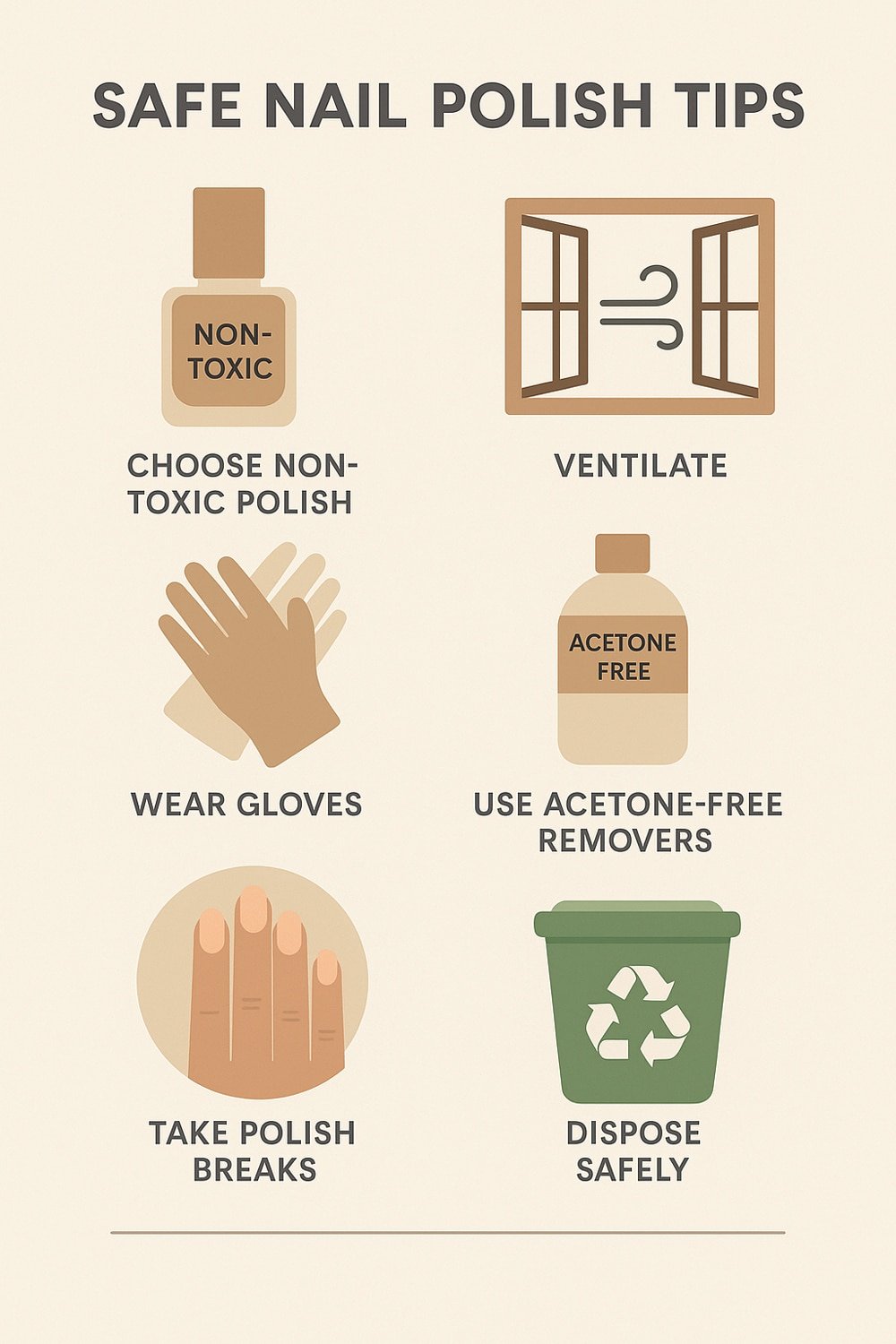
Even though most nail polishes are considered safe for occasional use, repeated and prolonged exposure to toxic chemicals can accumulate over time. Fortunately, you can significantly lower your risk with a few simple changes.
1. Choose safer formulas.
Opt for non-toxic nail polishes labeled 3-free, 5-free, or 10-free. These eliminate many of the most harmful ingredients like formaldehyde resin, dibutyl phthalate (DBP), toluene, and camphor.
2. Improve ventilation.
When painting your nails, make sure the area is well-ventilated. Open a window or use a small fan to disperse fumes from ethyl acetate and butyl acetate as these solvents evaporate during the drying process.
3. Use protective gear.
If you frequently do your nails at home or work in a nail salon, wear gloves and a mask to reduce skin contact and inhalation of fumes. Disposable nitrile gloves work best since they resist solvent penetration.
4. Switch to gentler removers.
Traditional nail polish removers often rely on acetone or isopropyl alcohols, which strip moisture from the nail plate. Try acetone-free removers made with glycerol carbonate or sucrose acetate isobutyrate — these are kinder to natural nails and surrounding skin.
5. Take polish breaks.
Give your nails time to breathe. Removing polish and leaving them bare for a few days helps restore hydration and allows the nail bed to repair itself. This also prevents discoloration or brittleness caused by constant polish use.
6. Dispose of polish safely.
Never pour leftover nail polish or nail polish removers down the drain. Treat them like household hazardous waste and bring them to appropriate disposal sites. This small step prevents environmental concerns like soil and water contamination.
These small actions can help maintain healthy natural nails while minimizing exposure to harsh chemicals in traditional nail polish.
Benefits of Non-Toxic Nail Products
The growing popularity of non-toxic nail polish isn’t just a trend — it’s a major shift toward safer, cleaner beauty. Here’s what makes it worth considering:
1. Reduced health risks
Switching to non-toxic nail polishes can minimize skin irritation, respiratory discomfort, and allergic contact dermatitis caused by formaldehyde resin or ethyl tosylamide. By choosing safer ingredients, you protect your overall well-being — especially important for frequent polish users and salon professionals.
2. Better for the environment
Formulas free from dibutyl phthalate (DBP) and toluene release fewer VOCs as solvents evaporate, meaning cleaner indoor air and less environmental pollution. Many new nail polish brands are also using recyclable glass bottles and biodegradable packaging.
3. Longer-lasting and durable
Interestingly, some non-toxic nail polishes perform just as well — or even better — than conventional nail polish. Thanks to advancements in film-forming polymer technology, they now resist chipping and maintain color vibrancy for days.
4. Safe for sensitive skin
Many dermatologists and cosmetic dermatology experts recommend non-toxic nail polish for clients with eczema, asthma, or skin allergies. Eliminating harsh compounds reduces the risk of contact dermatitis or redness around the cuticles.
5. Ethical and cruelty-free
Brands that focus on safety often extend their values to include cruelty-free and vegan practices, ensuring no animal-derived ingredients are used in the formula.
As awareness spreads, more consumers are discovering that choosing clean beauty doesn’t mean sacrificing performance or style. It’s about aligning wellness, aesthetics, and environmental consciousness — an approach that mirrors NÜDE Nail Spa’s philosophy of elevated, toxin-free self-care.
Choosing Safer Options
When it comes to finding the safest nail polish, understanding labels and ingredients is key.
Read beyond the marketing claims.
Terms like “organic” or “eco-friendly” sound appealing but aren’t always regulated. Look for specifics like 3-free or 10-free to know which ingredients have been removed.
Check for hidden allergens.
Even some “non-toxic” formulas may contain sensitizing resins or triphenyl phosphate (TPHP). Reading the ingredient list carefully is essential, especially if you’ve experienced past allergic reactions or skin sensitivity.
Prioritize transparency.
Reputable nail polish brands usually list all active ingredients, including film-forming polymers, cellulose acetate, polyurethane resins, and iron oxides for color. Avoid polishes with unlisted “fragrance” or generic “resins,” as these can conceal irritants.
Support ethical manufacturing.
Choose brands that emphasize sustainability, ethical sourcing, and eco-conscious packaging. Supporting these companies encourages the entire nail polish industry to prioritize safety and responsibility.
Formulations marketed as ‘non-toxic’ often exclude well-known toxic ingredients but may still contain other allergens or sensitizing components. This means that while such products are generally safer, they’re not completely free from potential irritants — making ingredient literacy crucial for informed choices.
Popular non-toxic nail polish brands include Palate Polish, Ella & Mila, Piggy Paint, and Pacifica’s 7-Free line. These brands exemplify clean-beauty innovation — offering long-lasting, vibrant color without harsh additives or toxic chemicals.
When you visit NÜDE Nail Spa, you’ll find similar standards in every product selection — only high-quality, low-toxicity formulas chosen for your health and beauty.
Nail Salon Regulations and Safety Standards
The safety of nail salons and nail technicians has gained increasing attention from health authorities and consumers alike. Regulations differ by region, but many regulatory bodies now recognize the importance of limiting exposure to toxic chemicals in nail products.
1. Ingredient Restrictions
Countries like Canada, Japan, Brazil, and those in the EU have banned or restricted the use of dibutyl phthalate (DBP) and toluene in cosmetic products. The European Union also requires safety assessments for every final product before it reaches the market.
2. Air Quality Standards
Some regions mandate ventilation requirements for nail salons, ensuring fresh airflow to dilute fumes from ethyl acetate, butyl acetate, and formaldehyde resin. Proper filtration systems are especially crucial in smaller, enclosed spaces.
3. Training and Education
Professional certifications now often include modules on safe chemical handling, skin protection, and managing allergic contact dermatitis risks. Salons that adhere to these standards protect both technicians and clients from negative effects caused by chronic exposure.
4. Labeling and Transparency
While “3-free” and “10-free” labels are a helpful guide, they remain voluntary. Consumers should still review ingredient lists and rely on brands with open, science-based communication.
At NÜDE Nail Spa, compliance with best practices goes beyond regulation. Every service follows elevated hygiene standards and uses non-toxic nail polishes, ensuring your wellness is as valued as your aesthetic experience.
The Importance of Informed Choices
Ultimately, choosing safer nail polish isn’t about fear — it’s about awareness. By understanding ingredients, protecting your nails, and supporting responsible brands, you take control of what touches your body and the environment.
The beauty industry is evolving toward cleaner, smarter solutions. Your role as a consumer helps drive that transformation.
Health Risks Linked to Toxic Nail Polish Ingredients
Even though painting your nails might seem harmless, research shows that frequent exposure to certain toxic chemicals in traditional nail polish can affect both short- and long-term health.
Some of the most significant risks stem from the toxic trio — formaldehyde, toluene, and dibutyl phthalate (DBP). These substances are known to cause a range of issues:
-
Formaldehyde: Recognized as a potential human carcinogen, it can cause allergic contact dermatitis, asthma-like symptoms, and respiratory irritation.
-
Toluene: A neurotoxin that may trigger headaches, fatigue, and dizziness; chronic exposure has been associated with liver and kidney damage.
-
Dibutyl phthalate (DBP): A reproductive toxicant that disrupts hormones and has been linked to fertility problems and fetal development concerns.
Even formaldehyde resin, which is less potent than raw formaldehyde, remains a common allergen that can cause contact dermatitis and skin irritation on the nail bed or cuticles.
Other additives — such as ethyl tosylamide, triphenyl phosphate (TPHP), and camphor — raise additional concerns. TPHP, for instance, is an endocrine disruptor that interferes with thyroid function and hormonal balance. Meanwhile, camphor, though used to add flexibility and shine, can trigger nausea or headaches in high doses.
Occupational Risks for Nail Technicians
Those who spend long hours in nail salons face unique challenges. Continuous exposure to fumes, dust particles, and solvents like ethyl acetate and butyl acetate can lead to chronic respiratory irritation and skin sensitization.
Studies have shown that nail technicians working in poorly ventilated environments have higher rates of contact dermatitis, asthma, and reproductive issues compared to other professionals. Prolonged exposure to toluene and dibutyl phthalate (DBP) has even been associated with an increased risk of miscarriage and low birth weight.
To mitigate these risks, experts recommend:
-
Adequate salon ventilation and air filtration systems.
-
Regular glove use and skin protection.
-
Avoiding acetone-based nail polish removers for daily cleaning.
-
Limiting hours of direct exposure to polish fumes.
Fortunately, more nail salons are prioritizing safer work environments, incorporating non-toxic nail polishes and improved air quality systems — a shift that supports both worker and client health.
Why Some Hospitals Don’t Allow Nail Polish or Gel Nails
In medical settings, patients and healthcare workers are often asked to remove nail polish or gel nails. There are a few key reasons:
-
Interference with monitoring devices: Pulse oximeters, which measure oxygen levels, can give inaccurate readings when color covers the nail plate.
-
Hygiene: Microbes can hide beneath gel polish or acrylic layers, increasing infection risks during surgery or hospital stays.
-
Safety in MRIs: Certain nail polish brands may contain metallic pigments such as iron oxides, titanium dioxide, or tin oxide, which could heat up or distort imaging during MRI scans.
In short, removing polish in medical contexts isn’t about vanity — it’s about precision, safety, and hygiene.

The Future of Nail Products
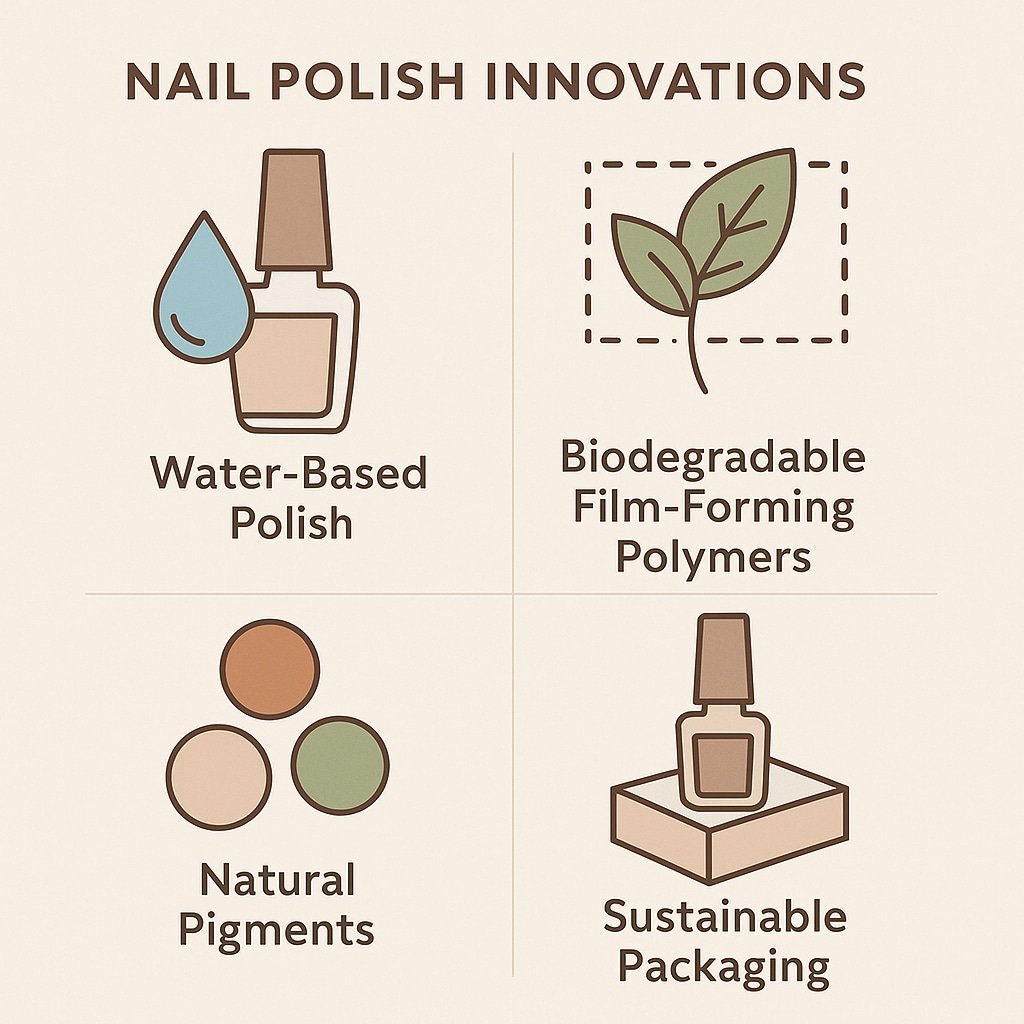
The future of nail polish is cleaner, safer, and more sustainable. As consumers demand transparency, manufacturers are moving away from petroleum-based film-forming polymers and turning toward biodegradable or plant-derived resins.
Emerging innovations include:
-
Water-based polishes using cellulose acetate and polyvinyl butyrate, which reduce VOC emissions.
-
UV-curable gel polishes that rely on safer photo-initiators and emit lower levels of reactive compounds.
-
Natural pigment alternatives like chromium hydroxide green, iron oxides, and barium sulfate, which maintain vibrant color without toxic metal traces.
-
Sustainable packaging using recyclable glass and eco-inks to minimize waste.
These changes show that the nail polish industry is moving in the right direction — one where wellness and sustainability coexist with beauty and innovation.
At the forefront of this movement are clean-beauty leaders like NÜDE Nail Spa, which uses only non-toxic nail polishes, acetone-free removers, and eco-conscious techniques designed to nurture your nails instead of harming them.
A New Standard of Beauty and Wellness
The beauty of modern minimalism lies in mindful choices. Just as we read food labels, it’s time to read cosmetic product labels too. Understanding what’s in your nail polish formulations helps protect your nails, your health, and the environment.
The growing clean beauty movement emphasizes that self-care and safety should never be opposites. Nail polish can be expressive and luxurious — as long as it’s thoughtful and responsible.
Final Thoughts
The evidence is clear: some nail polishes still contain toxic chemicals, but the rise of non-toxic nail polish brands offers safer, more sustainable choices. With innovations in film-forming polymer science and global awareness about environmental concerns, the industry is evolving fast.
By selecting non-toxic nail polishes, reducing exposure to formaldehyde resin and dibutyl phthalate (DBP), and supporting brands committed to transparency, every consumer can make a difference.
The next time you get your nails painted, think of it not just as a beauty ritual — but as an act of self-respect and environmental care.
Experience Safer Beauty at NÜDE Nail Spa
At NÜDE Nail Spa, we believe clean beauty is a lifestyle, not a label. Our services are rooted in transparency, safety, and calm luxury. Every polish used in our spa is carefully curated — free from toluene, formaldehyde, and dibutyl phthalate, yet full of elegance and modern design.
We invite you to experience manicures that are as kind to your body as they are beautiful. From gel polish finishes cured with safe UV light to soothing treatments that strengthen nails and nourish the nail bed, every service reflects our belief in conscious beauty.
NÜDE Nail Spa is more than a destination — it’s a sanctuary for wellness, simplicity, and self-care. Because your hands tell your story, and they deserve only the cleanest touch.
Resources
Historical and Cultural Significance of Nail Polish
Health Effects of Nail Polish Use
- https://www.nontoxicrevolution.org/blog/2019/6/12/non-toxic-nail-polish
- https://www.livescience.com/50917-the-hidden-risks-in-nail-polish.html
- https://www.health.harvard.edu/blog/a-look-at-the-effects-of-nail-polish-on-nail-health-and-safety-2019112118231
- https://pmc.ncbi.nlm.nih.gov/articles/PMC8991319/
- https://pmc.ncbi.nlm.nih.gov/articles/PMC11147520/
- https://www.poison.org/articles/nail-polish
- https://www.yourcareeverywhere.com/health-research/health-insights/skin–nail-and-hair-care-insights/what-is-nail-polish-made-of–is-nail-polish-toxic-.html
- https://www.lotsoflacquer.com/blog/toxic-nail-polish-ingredients-to-avoid
- https://us.typology.com/library/what-are-the-components-of-a-nail-polish
- https://www.healthline.com/health/beauty-skin-care/non-toxic-nail-polish
- https://uk.manucurist.com/pages/blacklist-ingredients
Regulation and Safety Standards for Nail Products
Regulation and Safety Standards for Nail Products
- https://us.typology.com/library/what-are-the-components-of-a-nail-polish
- https://www.health.harvard.edu/blog/a-look-at-the-effects-of-nail-polish-on-nail-health-and-safety-2019112118231
- https://pmc.ncbi.nlm.nih.gov/articles/PMC11991789/
- https://www.nontoxicrevolution.org/blog/2019/6/12/non-toxic-nail-polish
Toxicity of Nail Polish Ingredients
- https://www.health.harvard.edu/blog/a-look-at-the-effects-of-nail-polish-on-nail-health-and-safety-2019112118231
- https://www.consumer.org.hk/en/press-release/20100816-4
- https://www.100percentpure.com/blogs/feed/hold-up-is-your-nail-polish-non-toxic
- https://mademoiselleorganic.com/2017/01/06/top-6-toxic-ingredients-should-avoid-nail-polish/
- https://naturallyfreckled.com/choosing-safer-nail-polish/
- https://www.forbes.com/sites/amywestervelt/2012/04/10/not-so-pretty-report-finds-toxins-in-nail-products-labeled-chemical-free/
- https://www.nontoxicrevolution.org/blog/2019/6/12/non-toxic-nail-polish
- https://www.lotsoflacquer.com/blog/toxic-nail-polish-ingredients-to-avoid
- https://www.healthline.com/health/beauty-skin-care/non-toxic-nail-polish
- https://uk.manucurist.com/pages/blacklist-ingredients
- https://pmc.ncbi.nlm.nih.gov/articles/PMC11991789/
- https://www.ewg.org/news-insights/news/nail-polish-weve-come-long-way-9-years-baby