
Healthy Nails Begin With a Thoughtful Nail Care Routine
Healthy nails are more than a beauty detail — they’re a quiet reflection of your overall health, daily habits, and how well you care for your body. Your fingernails protect your fingers, support delicate movements, and often give the first signal when something inside feels off. Changes in color, texture, or strength can point to stress, nutrient deficiencies, or improper nail care routine.
A consistent nail care routine is crucial for preventing brittle nails, hangnails, and weak nails that split or peel. When nails are clean, hydrated, and trimmed regularly, they’re less likely to break and more likely to grow strong and smooth. Beyond health, caring for your nails is a form of self care — one that builds confidence and creates a sense of calm.
Regular manicures and pedicures aren’t just aesthetic. When done with proper nail care, they help prevent ingrown nails, infections, and long-term damage while keeping your nails healthy and comfortable.
Understanding Nail Health
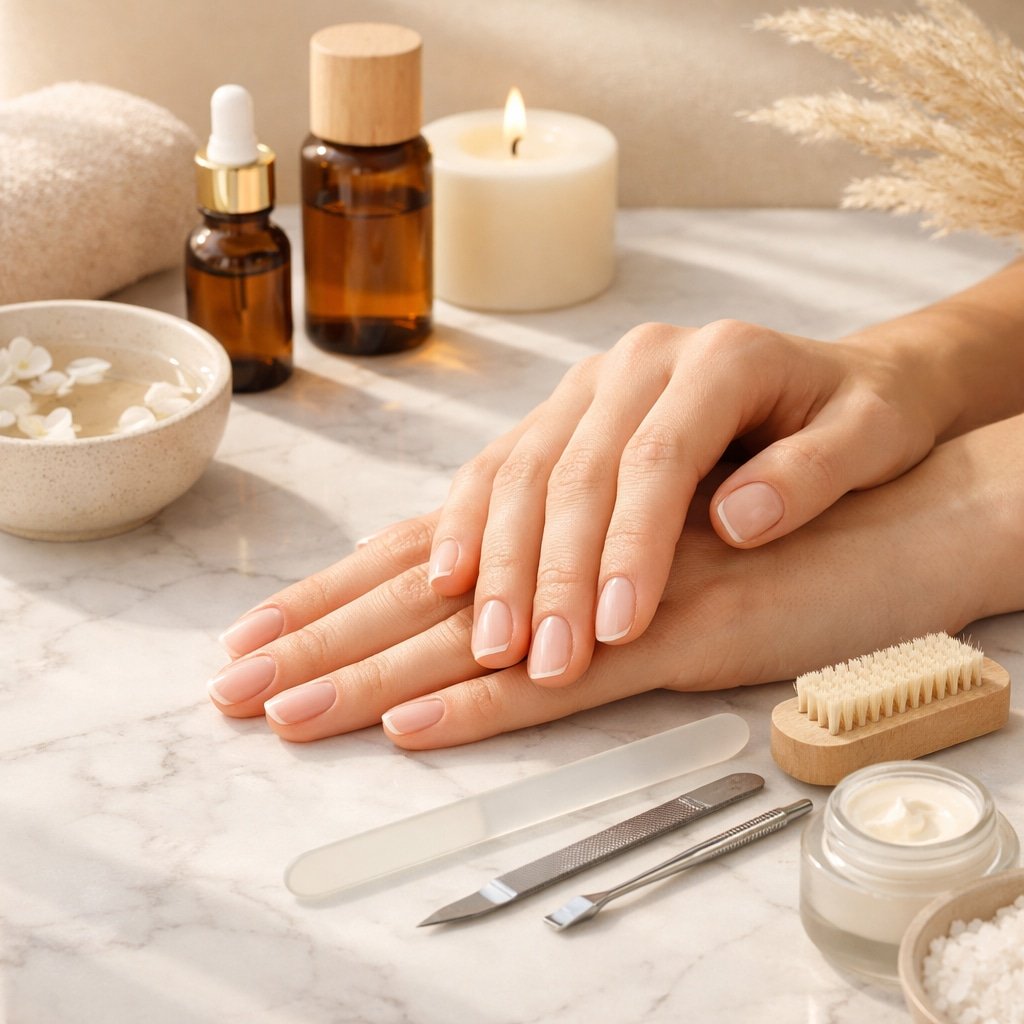
Your nails are made of keratin, a strong protein that relies on nutrients and hydration to stay healthy. A balanced diet rich in biotin, iron, zinc, and omega-3s plays a major role in nail health. When the body lacks these nutrients, nails may become thin, ridged, or prone to breaking.
Nails can also reveal deeper health concerns. Pale nails may indicate anemia, while yellow discoloration could point to infection or excessive polish use. Dermatologists often note that sudden changes in the nail bed — including dents, dark lines, or pain — should never be ignored.
Keeping nails clean and dry helps prevent bacteria buildup and fungal infection. Good nail care habits protect not only fingernails but toenails as well, especially since feet are more exposed to moisture and friction.
Nail Polish Considerations
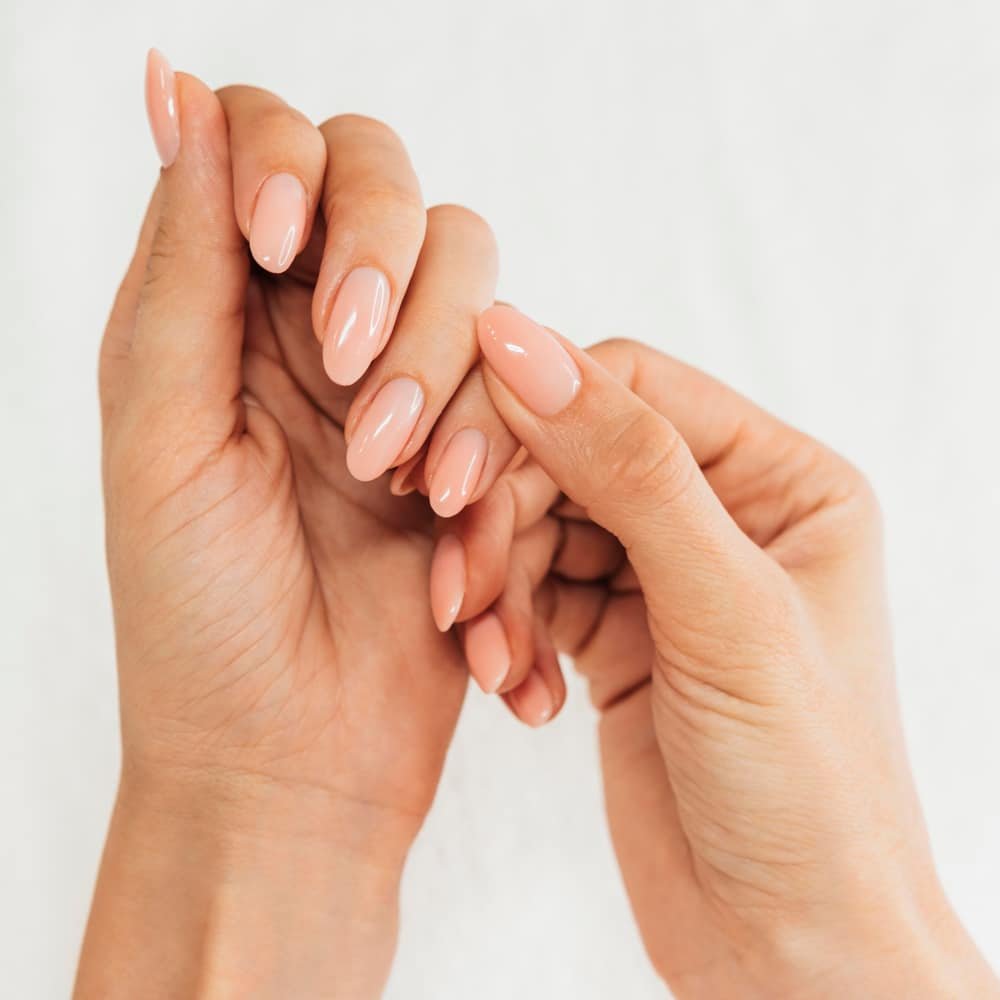
Nail polish can elevate your look, but frequent use without breaks may weaken nails over time. Some formulas contain harsh chemicals that dry out the nail bed and surrounding skin. Choosing cleaner, breathable polish options helps maintain nails healthy while still enjoying color.
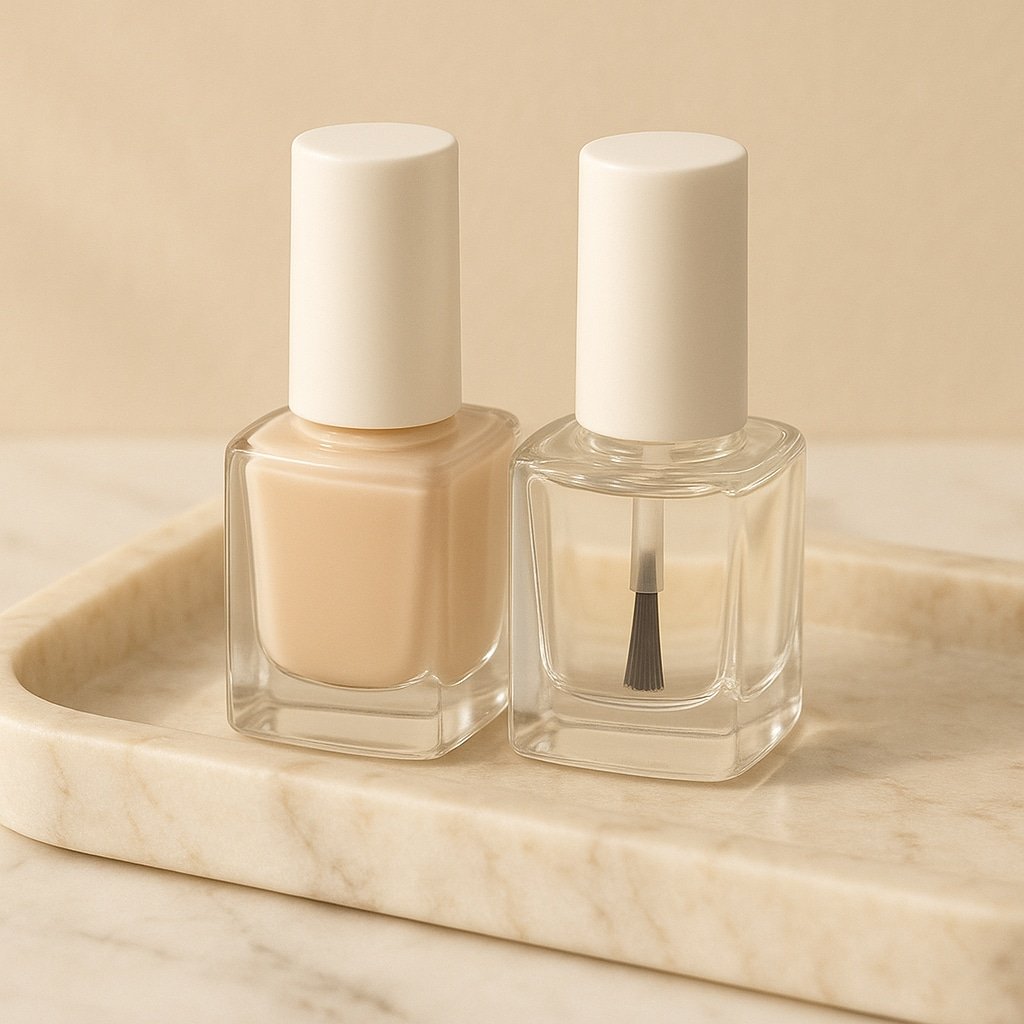
Always apply a base coat before polish. A base coat protects the nail, prevents staining, and helps polish adhere evenly. A top coat reduces chipping and extends wear. Applying polish in thin layers allows for smoother drying and less damage.
Nail polish remover is another critical factor. Acetone-heavy removers strip moisture from nails and cuticles. Opt for gentle formulas and use them sparingly. Allowing nails to stay bare for a few days gives them time to recover and strengthen naturally.
If you’ve ever wondered is nail polish toxic, understanding ingredients, frequency of use, and how polish interacts with the nail bed is an important part of maintaining healthy nails long term.
Protecting Your Nails: Nail Care Routine Habits That Prevent Damage
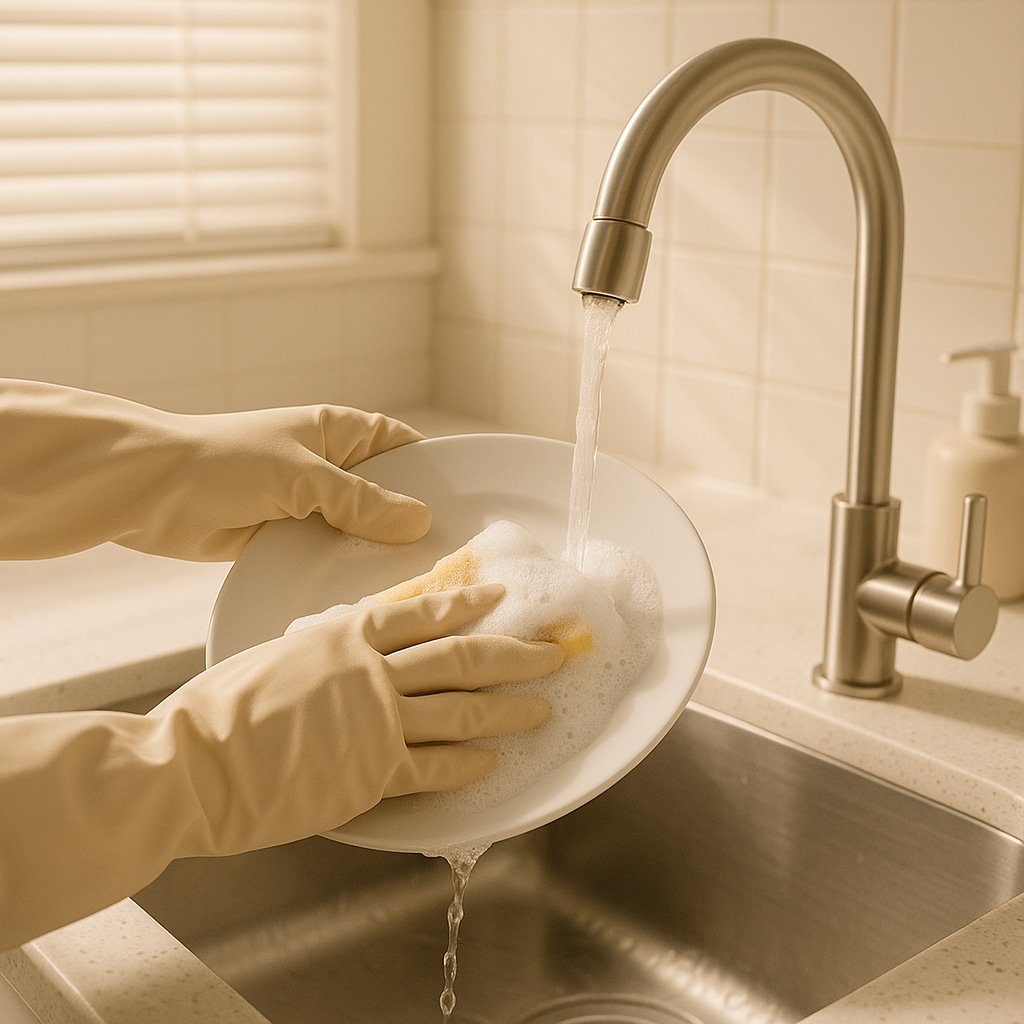
Everyday habits can either protect or harm your nails. Washing dishes, cleaning, and constant exposure to water weaken nails over time. Always wear gloves during washing, gardening, or handling cleaning products to protect nails from chemicals and excess moisture.
Trim nails regularly using clean clippers or manicure scissors. Cut straight across, then gently round the edges with a fine-grit file. Filing in one direction helps prevent splitting and peeling. Avoid biting or pulling at nails — this habit leads to pain, injury, and infection.
Keeping nails trimmed and smooth reduces snags that can lead to breakage. These small steps in your nail routine make a big difference in long-term nail strength.
Nail Care Do’s and Don’ts
Creating healthy nails isn’t about perfection — it’s about consistent, mindful habits. These simple do’s and don’ts help protect your nails, prevent infection, and support long-term nail health without overcomplicating your routine.
Nail Care Do’s
- Do keep your nails clean and dry. This reduces bacteria buildup and lowers the risk of infection, especially around the nail bed and cuticles.
- Do moisturize daily. Apply a hand cream or cuticle oil to nourish nails, skin, and cuticles, especially after washing.
- Do wear gloves when washing dishes, cleaning, or gardening to protect nails from harsh chemicals and excess moisture.
- Do trim nails regularly using clean clippers, and gently file to maintain a smooth, rounded shape.
- Do use a base coat before nail polish to protect nails from staining and chipping.
- Do take polish breaks. Letting nails stay bare for a few days helps strengthen nails and restore natural balance.
- Do listen to your nails. Changes in color, thickness, or pain may point to health issues — when in doubt, consult a dermatologist.
Nail Care Don'ts
-
Don’t bite or pull at your nails or cuticles. This habit leads to pain, hangnails, and possible infection.
-
Don’t overuse nail polish remover, especially acetone-based formulas that dry out nails and weaken keratin.
-
Don’t cut cuticles. They act as a protective seal against bacteria; push them back gently instead.
-
Don’t file back and forth. Sawing motions cause splitting and brittle nails — always file in one direction.
-
Don’t ignore persistent changes. Yellow nails, thick toenails, or discoloration can signal fungal infection or other concerns.
-
Don’t rely on extensions long-term. Frequent acrylics or gels without breaks can weaken nails and thin the nail bed.
Good nail care is about balance — protecting your nails while allowing them space to recover, grow, and stay strong.
Advanced Nail Care Techniques
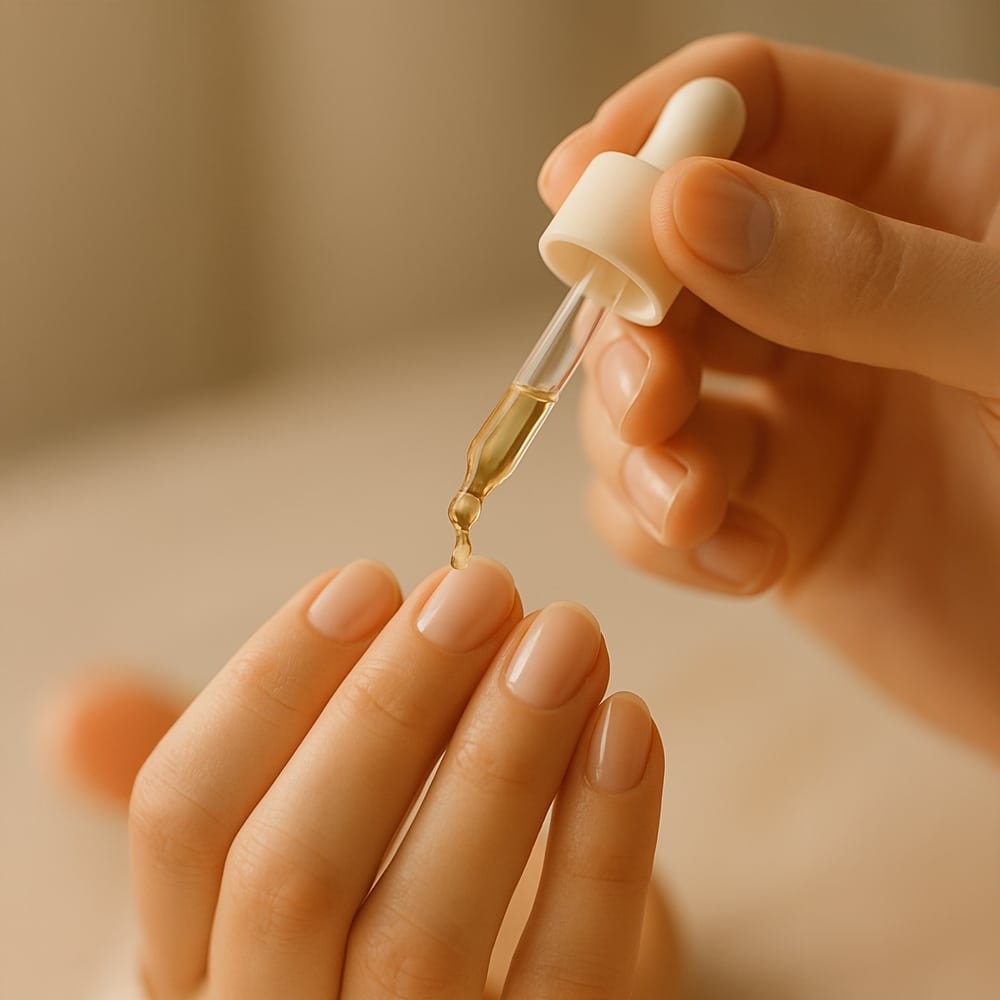
Advanced nail care doesn’t have to be complicated. Using cuticle oil daily nourishes the cuticles, strengthens the nail bed, and prevents hangnails. Cuticles act as a natural barrier against bacteria, so they should never be cut. Instead, gently push them back after soaking nails in warm water or oil.
Applying a rich moisturizer to nails and surrounding skin locks in hydration. A nail strengthener can help reinforce weak nails, but patience is key. Dermatologists explain that visible improvement takes two to six months — the time required for a new nail to grow out fully.
Using clean tools, including nail brushes, prevents dirt and bacteria buildup beneath nails and around cuticles.
How to Tell If Your Nails Are Healthy
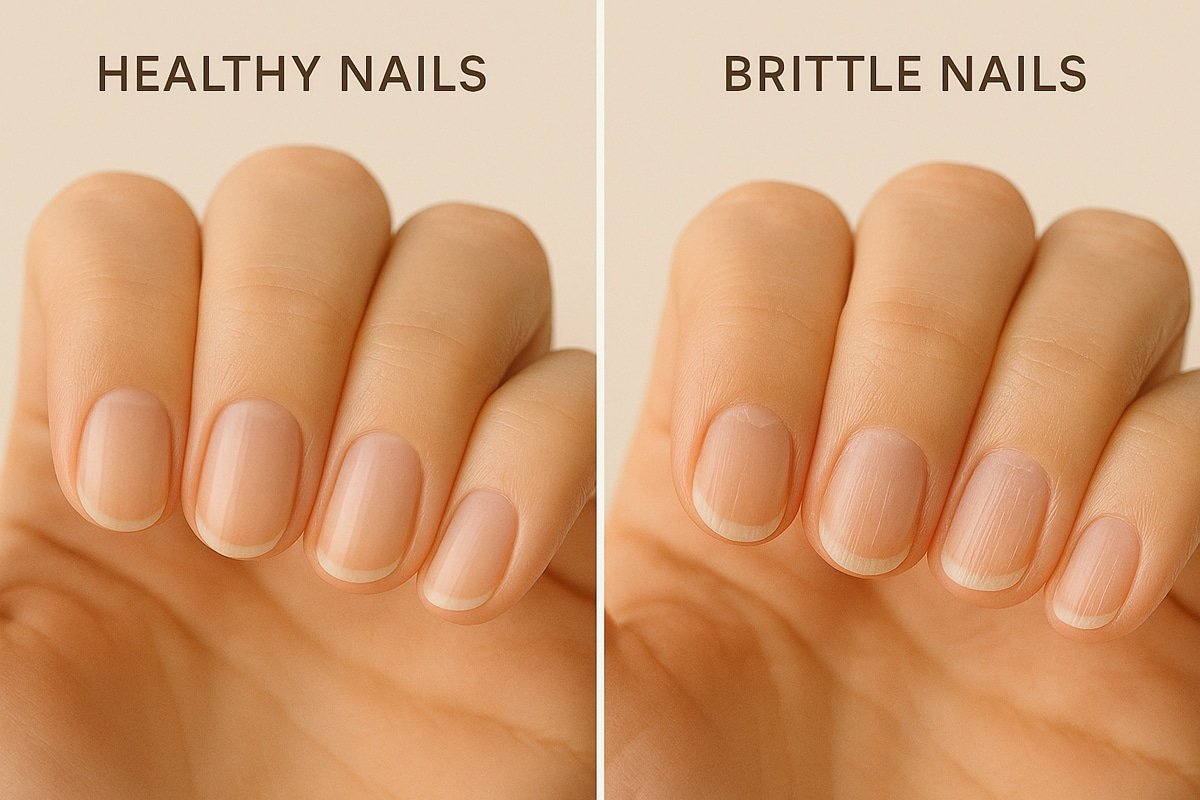
Healthy nails appear smooth, slightly pink, and free from deep ridges or discoloration. They grow steadily, feel firm, and don’t cause pain. Unhealthy fingernails may look yellow, brittle, thick, or unusually shaped.
Vitamin deficiencies often show as white spots, peeling layers, or slow growth. If nail changes persist, a dermatologist can help identify underlying causes and recommend treatment.
The main purpose of nail care is protection. Nails shield fingers and toes, support fine motor skills, enhance touch sensitivity, and protect the skin underneath from injury and infection.
Building a Sustainable Nail Care Routine Through Self Care
A sustainable nail routine is simple, consistent, and gentle. Clean nails regularly, moisturize daily, trim every one to two weeks, and give polish breaks. Care for your nails the same way you care for your skin and hair — with patience and intention.
Professional manicures and pedicures done at a clean salon help maintain nail shape, comfort, and confidence. Always choose salons that prioritize hygiene, clean tools, and natural products.
Good care leads to stronger nails, smoother cuticles, and long-term nail health you can feel proud of.

Final Thoughts — From NÜDE Nail Spa
At NÜDE Nail Spa, we believe nail care is an essential ritual — one that blends health, beauty, and quiet luxury. Our approach focuses on clean products, gentle techniques, and mindful treatments that respect your nails, skin, and overall well-being.
Whether you’re rebuilding weak nails, taking a polish break, or simply craving calm, your nails deserve intentional care.
Your healthiest nails begin with softness, patience, and presence — and we’re here whenever you’re ready.
Welcome to NÜDE Nail Spa.